
 By
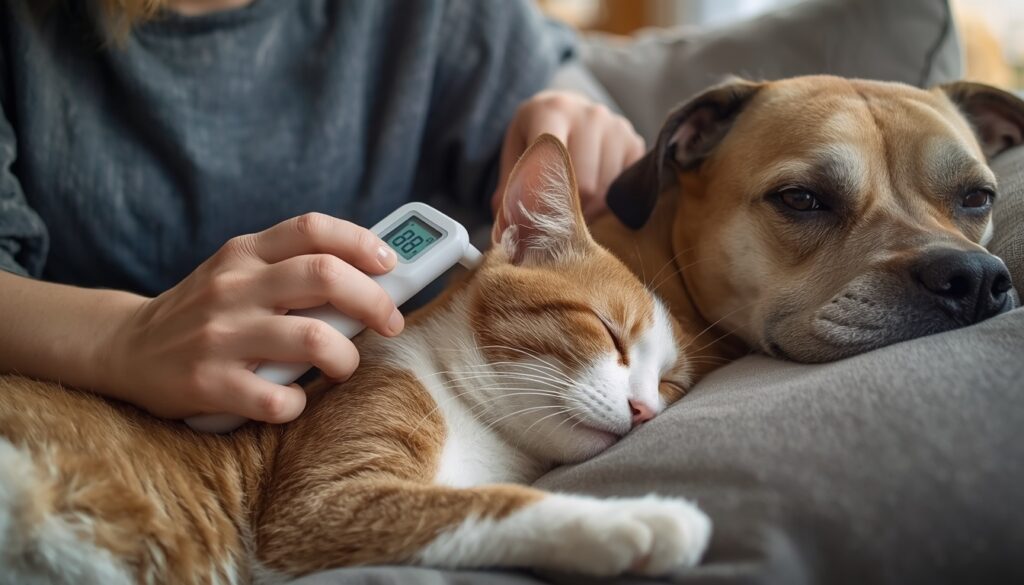
Why a pet thermometer is worth owning
A pet’s temperature is one of the first things a vet asks about on the phone. A number is far more useful than “she feels warm”. It can help you decide between going to the emergency vet now and booking an appointment tomorrow, for example if your dog may be overheating (see dog heat stroke) or an unspayed female seems unwell (see pyometra).
It is only a guide. A normal temperature does not rule out illness, and a pet that is collapsing, struggling to breathe or in obvious distress needs a vet immediately, whatever the thermometer says.
How we chose
We have not tested these thermometers hands-on. We read what veterinary sources say about taking a pet’s temperature at home (including AKC, PetMD and Zoetis Petcare guidance), then shortlisted products that are made for pets, are sold in the US, and clearly say how they should be used. Check the product page for the current model, and ask your vet which type they prefer for your pet.
Which type of thermometer?
- Digital rectal: the standard at home and in the clinic. PetMD calls it the most accurate way to take a dog’s temperature, and Zoetis Petcare describes a digital rectal thermometer as the standard. Look for a fast read time and a flexible tip.
- Ear (infrared): quick and easier for pets that dislike rectal readings. AKC’s guidance names ear thermometers as an option and says the result depends on angling the probe into the canal and going in deep enough. Touching the outer ear does not work. Do not use one on a painful or infected ear.
- Underarm: PetMD and AKC both rate underarm readings as less reliable.
- Forehead or non-contact: readings can vary a lot with fur and skin. We do not recommend relying on them.
- Glass or mercury: avoid. They can break. Never put any thermometer in a pet’s mouth.
Our picks in more detail
Vet-Temp Rapid Digital Dog & Cat Thermometer: best all-round
This is a straightforward digital thermometer made for dogs and cats. The retailer listing describes a 12 to 15 second read, a clear screen and a changeable battery, and says it is meant for rectal use. Simple tools are easiest to use correctly when your pet is unwell and you are stressed.
Worth knowing: the maker also sold a flexible-tip version, which one major retailer now lists as discontinued, so check which model you are buying.
Pet-Temp Instant Pet Ear Thermometer: for pets that hate rectal readings
This ear thermometer is sold for dogs, cats and other small pets and reads in about one second. That speed helps with wriggly pets, but the result depends on correct placement and a clean ear canal.
Worth knowing: the maker says not to use it if the ear is sore from an infection or injury, and that ear wax, dust or fingerprints on the lens will give low readings. Practise on a calm day, not in an emergency.
Disposable lens covers: don’t skip
The maker says to use a fresh disposable cover for every reading, and that measuring without one may damage the lens. Replacement covers are sold separately, so buy extra if you plan to use it regularly.
A digital stick thermometer with a flexible tip: best budget option
Veterinary sources, including PetMD, say a thermometer marketed for people works too, as long as it is digital. A flexible tip is gentler. Keep it separate from the family thermometer, and label it for pet use.
Water-based lubricating jelly
Lubricant makes a rectal reading more comfortable for your pet. Sterile lubricating jelly or petroleum jelly are the options vet guidance mentions.
How to take a dog’s or cat’s temperature (rectal)
- Get set up. A helper makes this much easier. Have the thermometer, lubricant, a tissue, a towel and a treat ready.
- Clean and lubricate. Clean the tip, then put a little lubricant on it.
- Position your pet. Standing is usually easiest for a dog; hold it with one arm under the belly. For a cat, a helper can hold it gently in a towel.
- Lift the tail and insert gently. Go in about one inch for cats and small dogs, and up to two or three inches for large dogs. Never force it, and stop if your pet struggles.
- Wait for the beep. Most digital thermometers read in under a minute. Hold the thermometer steady, then remove it.
- Read, record and clean. Write down the number and the time. Clean the thermometer with soap and rubbing alcohol and store it with your first-aid supplies.
- Reward. A treat makes the next reading easier.
With an ear thermometer, follow the instructions that come with it: a fresh cover on the probe, then pull the ear flap out and slightly down and angle the probe into the canal.
What the numbers mean
| Reading | What to do |
|---|---|
| About 100.5 to 102.5 F | Within the usual range for dogs and cats. Small dogs may run slightly higher. |
| Above 103 F | A fever. Rest your pet in a cool room, recheck in a few minutes and phone your vet for advice. |
| 104 F or higher | Call a vet right away. If your pet has been in the heat, start gentle cooling with a fan and cool (not icy) water on the way. |
| Below 99 F | Too low. Call a vet right away, and keep your pet warm with a blanket while you travel. |
Ranges vary a little between sources, so ask your vet what is normal for your pet and keep their number handy.
When to skip the thermometer and call a vet
- Collapse, trouble breathing, pale or blue gums, or repeated vomiting
- Any suspected heat stroke: cool your pet and go, do not wait for a number
- A pet that is aggressive or in obvious pain when you try
- Rectal bleeding or a known rectal problem
- A pregnant or newborn animal, unless your vet has told you to check
See also our guides on when to go to an emergency vet and dog first-aid kits.
Common mistakes
- Using a glass or mercury thermometer. It can break.
- Using the family thermometer. Keep a separate one for your pet.
- Trusting a nose or ear touch. Warm feels are not a measurement.
- Taking a reading straight after exercise or a car ride. It can read high. Let your pet rest for about ten minutes, then recheck.
- Treating a normal number as an all-clear. If your pet seems unwell, call your vet anyway.
- Giving human fever medicine. Never give ibuprofen, paracetamol (acetaminophen) or similar to a pet without a vet’s instruction. They can be dangerous.
Making it easier on your pet
- Practise handling the tail and back end with treats on calm days, before you need to use the thermometer.
- Take a reading when your pet is healthy, so you know its usual number.
- Keep sessions short and calm, and stop if your pet becomes stressed or aggressive. Ask your vet to show you the technique at your next visit.