
 By
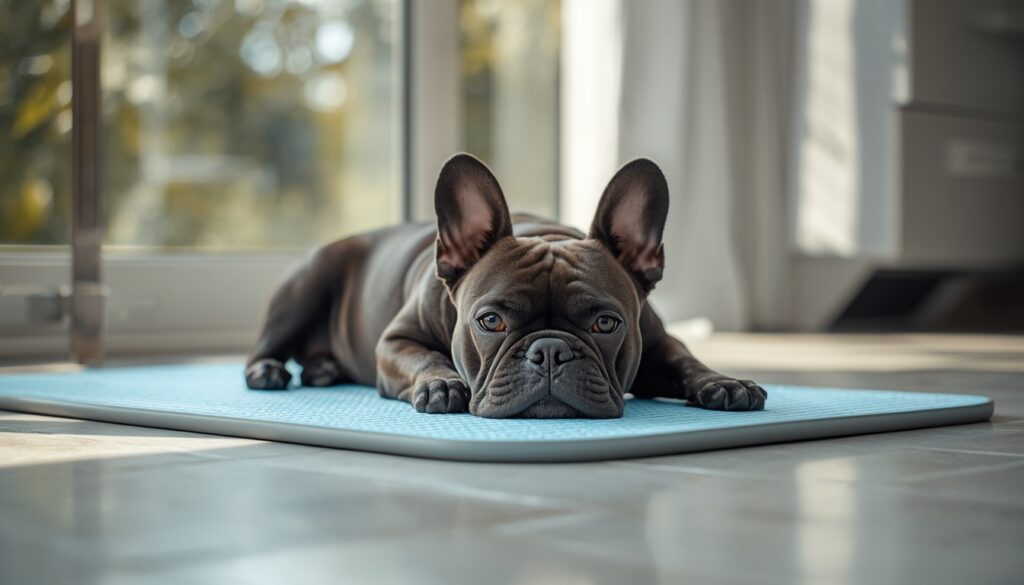
Cooling gear is comfort, not protection
When a Texas summer settles in, it is tempting to buy a mat or vest and feel the problem is solved. It is not. Veterinary sources agree on what prevents heat stroke: shade, plenty of water, air conditioning, avoiding exercise in hot or humid weather, and never leaving a dog in a parked car. Cooling products can add comfort on top of those basics. They cannot stand in for them, and they will not treat a dog that is already overheating.
This guide covers the main types of cooling gear, what each is good at, where each falls short, and the signs that mean you should call a vet instead of reaching for a mat.
Who this is for, and who should see a vet instead
Cooling gear is most useful for dogs that run hot: flat-faced breeds, thick or double-coated dogs, seniors and overweight dogs. The same dogs are at the highest risk of overheating, so for them the right first step is a cool house and a careful routine, with gear as a small extra. Dogs with heart disease, breathing problems or kidney disease also carry extra risk, and AAHA lists these conditions among the risk factors. If your dog has one of them, ask your vet what is safe in hot weather.
Skip the shopping and call a vet or emergency hospital now if your dog:
- Pants heavily and cannot settle, even after resting in a cool place
- Drools thickly, vomits or has diarrhea
- Has bright red, pale or bluish gums
- Is wobbly, confused, weak, collapses or has a seizure
Do not wrap a hot dog in wet towels or use ice water. AAHA warns that towels trap heat and that cold water can shock the body. If your vet tells you to cool the dog at home on the way in, use tepid water on the neck, chest and belly with a fan. Our heat stroke guide has the full first-aid steps, and the 24-hour emergency vets in Houston are listed on HeiBob.
How we chose
We have not tested these products hands-on. We picked each one because it exists, is sold in the US, and has a manufacturer or retailer page that explains how it works. We then checked those descriptions against what veterinary sources say about cooling gear: that mats and vests are extras, that fit and durability matter, and that chewing is a real risk. The best choice depends on your dog’s size, coat and habits, and on where you live. Humid heat changes what works.
The four types of cooling gear
- Water-filled mats. You add water to a sealed pad, and it feels cool under the dog. These avoid chemical gels, but a chewed or punctured mat leaks.
- Pressure-activated pads. These contain a material that absorbs heat from your dog’s body and recharges once the dog gets off. The AKC describes this type as a gel layer under a cover. They need no water, but makers advise keeping them out of sun and hot air.
- Elevated beds. A fabric sheet stretched on a frame lets air move underneath. They do not make a surface cold. They simply avoid trapping heat against a floor or a thick cushion.
- Evaporative vests. You soak the vest, and as the water evaporates it draws heat away. This depends on the air being able to take up moisture, which is a real problem in humid places.
Our picks in more detail
K&H Pet Products Self-Cooling Pet Mat: best water-filled mat
This vinyl mat is filled with water and needs no power or refrigeration. The retailer listing describes it as free of toxic gels, and it comes in sizes from toy breeds up to dogs over 50 lbs. It can go on its own or on top of a bed, and the listing recommends shade.
Worth knowing: the listing itself warns that pets may chew it, says to remove it at once if it is torn, and says to seek veterinary care if a pet swallows any of the material. It is not a good fit for a dog that shreds beds.
The Green Pet Shop Cool Pet Pad: best pressure-activated pad
This pad cools when your dog lies on it, with no water, fridge or plug. Its retail listing says the cooling lasts for a few hours and that it recharges after about 15 to 20 minutes without use. It fits standard beds and crates and wipes clean.
Worth knowing: the packaging says not to leave it in sun, heat or hot air, so treat it as an indoor product. Do not fold it against itself, and do not leave it with a dog that claws or chews.
Coolaroo Elevated Dog Bed: best for airflow
Coolaroo’s beds are raised off the ground so air can pass underneath. The maker lists several sizes with weight limits up to 150 lbs, depending on the model, and also notes that the raised design takes pressure off joints. Because it relies on moving air rather than a cooling material, it pairs well with a fan or an air-conditioned room.
Worth knowing: an elevated bed does not lower your dog’s temperature by itself. If your dog is a chewer, check the fabric regularly and replace worn covers.
Ruffwear Swamp Cooler Cooling Vest: best vest for walks in dry heat
Ruffwear’s vest has a wicking outer layer with UPF 50+ shade, a middle layer that holds water, and a dry-weave lining. You soak it, put it on, and re-wet it when it dries. Sizing is by chest girth, and the vest has a leash opening so it works with most harnesses.
Worth knowing: this is where humidity matters most. By Ruffwear’s own figures, a vest can cool roughly 15°F on an 85°F day at 30% humidity, about 6°F at 70% humidity, and not at all in saturated air. A fit that is too tight or too loose can cause sores, and PetMD notes a vest is no substitute for water, shade and rest. Stock can vary, so check the listing.
A collapsible water bowl: the supporting cast
Cornell and Texas A&M both stress fresh water and frequent drinks. A bowl that folds into a pocket makes that easy on every walk, trip to the park or car ride. It is cheap, and it matters more than the mat.
Which product for which situation?
| Your situation | What to consider |
|---|---|
| Dog naps indoors, house has air conditioning | A mat or elevated bed is a comfort extra |
| Dog tears up bedding | Skip gel or water-filled mats, or supervise closely |
| Dog spends time on a covered porch | An elevated bed for airflow, plus water and a fan |
| Walks in dry heat | An evaporative vest, plus water, rest and early or late walks |
| Walks in humid heat | Shorten or skip the walk; a vest will do little |
| Flat-faced, senior, overweight or heart or breathing problems | Air conditioning first, and ask your vet about a hot-weather plan |
How to use cooling gear safely
- Check the first few uses. Watch how your dog treats a new mat. Mouthing and chewing are the main risks.
- Look for damage every day. A cut, puncture or torn cover means the mat should be thrown away.
- Keep it out of the sun. Some pads stop working when they heat up, and any mat on a hot patio can get warm.
- Do not use refrigerated inserts against bare skin unless the maker says so.
- Give water every time. Always have fresh water available in the same spot.
- Time walks sensibly. Cornell advises early morning or evening walks, and the pavement test: if you cannot hold your hand on it for about 10 seconds, it is too hot for paws.
- Never rely on the gear for a car. No product makes it safe to leave a dog in a parked car, even with the windows open.
Common mistakes
- Treating a mat as a heat stroke treatment. It is not one. A dog that may be overheating needs a vet.
- Using a vest in humid weather and assuming it works. Pay attention to your dog’s panting and energy, not the vest.
- Leaving a chewer alone with a mat. A torn mat can mean a swallowed bit of material and a vet visit. See our vet visit cost guide for what that may involve.
- Skipping shade because there is a mat. A mat in full sun can end up warm.
- Using wet towels, ice or cold baths for an overheated dog. Vets advise against all three.
Cooling the whole house first
For most dogs, the biggest gains come before any product is bought. PetMD suggests keeping the air conditioner at or below 80°F if your dog is home all day, and closing blinds and running fans if you have no air conditioning. A ceiling fan is the safest kind; keep puppies away from floor fans, or put the fan outside a wire crate rather than aimed into it. Cornell adds that dogs do best in air conditioning with water on hand during extreme heat, high humidity or sudden swings in temperature, and that you should be especially careful early in the summer, before dogs have adjusted. Your dog still needs a vet if the signs above appear, whatever gear it is lying on.
Learn more
If your dog is panting a lot, read our short guide to panting, and see what a cooling mat is in plain terms. For a kit that is ready if something does go wrong, see our dog first aid kits guide.