
 By
Gear helps, but training does the work
Many dogs are frightened at the vet. If yours is one of them, the most useful things you can bring are time and tasty food. A few tools make the practice easier: a basket muzzle your dog has learned to accept, a lick mat or stuffable toy, and good treats. This guide covers what to look for and how to use each one. For the full plan, including what to ask your clinic, read our guide to a dog that is scared of the vet.
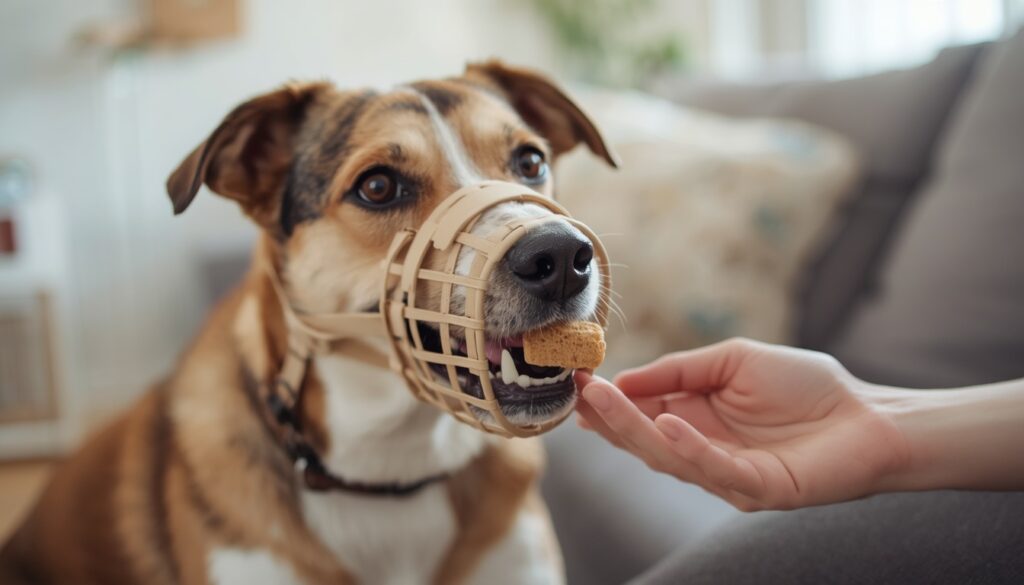
A muzzle is not a punishment and not a sign of a “bad” dog. Cornell’s Riney Canine Health Center says that any dog can benefit from learning to wear one, because a dog that is comfortable in a muzzle can be handled more gently and needs less restraint at the vet.
How we chose
We have not tested these products hands-on. We picked categories and products that match what veterinary sources describe: a hard-sided basket muzzle that allows panting and treats, soft food that can be licked or stuffed, and safe, high-value rewards. Each named product is made for dogs, sold in the US, and described on a manufacturer or major retailer page we opened. The manufacturers’ claims are theirs, not ours, and we have not verified them. Ask your own vet whether a muzzle makes sense for your dog.
Who this is for, and who should see a vet first
This guide suits dogs that are nervous, wriggly or hard to handle at the clinic, and owners who want to practice at home. See your vet or a veterinary behaviorist first if:
- Your dog has bitten or tried to bite, or growls when touched in certain places.
- Your dog panics so much that it will not take any food.
- Your dog was fine before and has suddenly become snappy or withdrawn: pain is a common cause and needs an exam.
Cornell notes that dogs with a bite history or handling sensitivities may need a professional to guide the training.
What to look for in a muzzle
- Basket style. Cornell and Fear Free both describe a hard-sided basket with openings on the front and sides. Your dog can pant, which releases heat and stress, and you can pass soft treats through the gaps.
- Not a clamp. Cornell says nylon muzzles that tighten around the mouth are generally not appropriate.
- A snug but comfortable fit. It should not slip, slide or fall off. Cornell suggests about one or two fingers should fit under the strap. Follow the maker’s sizing guide: Company of Animals says to use nose length when length and circumference point to different sizes.
- Easy to wash. Wash it in warm soapy water after each use.
Our picks in more detail
Baskerville Ultra Muzzle: best basket muzzle to start with
The Baskerville Ultra is made of thermoplastic rubber and is meant to let dogs pant, drink and enjoy treats while worn. The maker says it can be softened in hot water and shaped by hand for a better fit, and that the shape may slowly drift back, so check it now and then. It has a collar loop and a removable head strap for extra security. Cornell names the Baskerville Ultra as an example of a suitable basket muzzle.
Worth knowing: sizes run from small to large, and owner reports on fit are mixed. Dogs with unusual snouts, such as bull terrier types, may not fit well. Measure first and be ready to exchange for another size.
LickiMat Soother Classic: best for spreads and soft food
This is a rubber mat with a nubbed surface that you cover with soft food such as plain yogurt or a puree. The maker suggests using it for stressful events, including vet visits and baths, and says it is freezer safe and hand-wash only. Licking can keep a dog busy while the team examines it.
Worth knowing: the maker’s claims about anxiety, digestion and oral health are not independently verified. Supervise your dog while it is learning, and take the mat away from a dog that chews it.
KONG Classic: best stuffable toy
A natural-rubber toy with a hollow centre that you fill with kibble or a little spread. It is sold in sizes from small to extra-large, and a stuffed one can be a good way to practice calm behavior at home. For a vet visit, ask whether the clinic is happy for your dog to work on it in the exam room.
Worth knowing: pick a size your dog cannot swallow, and throw away any toy that is cracked or torn.
Xylitol-free peanut butter or squeeze cheese: best muzzle-training treat
Fear Free and Cornell both suggest a soft, very tasty treat, such as peanut butter or canned cheese, smeared inside the muzzle so the dog puts its nose in by choice. The important rule is on the label: Pet Poison Helpline says that some peanut butter contains xylitol, which can drop a dog’s blood sugar and, in larger amounts, damage the liver. Read the ingredients every time, even for a brand you have bought before.
If your dog eats something that may contain xylitol, see our guide to what to do and call your vet or a poison line right away.
Small soft treats and a non-slip mat: the supporting cast
Tiny, strong-smelling treats can be given quickly and often during handling. A rubber-backed mat gives a nervous dog firmer footing on a shiny floor, but ask the clinic before you bring one.
How to train your dog to wear a basket muzzle
These steps follow the advice from Cornell and Fear Free. Keep each session short and finish while your dog still wants more.
- Let your dog come to the muzzle. Hold it still. Put a soft treat inside and let your dog push its nose in. Do not push the muzzle at your dog.
- Reward and remove. Praise while the nose is inside, then take the muzzle away before your dog loses interest.
- Repeat without the smear. When your dog puts its nose in, feed a treat through the gaps.
- Add the straps loosely. Once your dog reliably puts its nose in, attach the strap loosely, reward at once, and take it off after a few seconds.
- Fit it properly. Adjust the straps so the muzzle cannot slip off, feeding treats through the basket as you do.
- Build up time. Practice a few times a week for one or two minutes, in happy moments such as hand-fed treats or short walks. Fear Free warns not to use the muzzle only at stressful moments, or your dog may learn to dread it.
Never leave a muzzle on an unattended dog.
Which tool for which dog?
| Your dog | What may help |
|---|---|
| Nervous but takes treats | Good treats, a lick mat or stuffed toy, short practice visits |
| Wriggles or snaps when handled | Basket muzzle training well ahead of the visit, with your vet’s agreement |
| Slips on the floor and panics | A non-slip mat if the clinic allows it |
| Will not take food at the clinic | Tell the clinic; ask your vet about medicine to give before the next visit |
| Bites or has a bite history | Professional help from your vet or a veterinary behaviorist |
Using these safely
- Check labels for xylitol before every new spread or treat.
- Count the extra treats as part of your dog’s daily food, especially for dogs on a diet.
- Watch your dog on a lick mat or toy at first and remove any piece that is chewed off.
- Do not use a muzzle to stop a dog from barking or as a punishment. Punishment does not remove fear.
- If your dog is panting hard, drooling and wobbly in a warm car or waiting room, treat it as a possible emergency, not a behavior problem: see dog heat stroke.
Ask the clinic
When you book, tell the clinic your dog is afraid and that you are working on muzzle training. Ask about a quiet appointment time, going straight to the room, an exam on the floor, and whether your dog may eat during the visit. AAHA’s behavior guidelines say clinics can let reactive dogs walk straight in when the room is ready, and that rushing makes later visits harder. A good team will welcome a plan. For costs and what to expect, see how much a vet visit costs, and our Houston and Austin directories.