Pet Transport Services: Everything You Need to Know (2026 Guide)
A pet transport service safely moves your pet from one location to another — by ground vehicle or air — using trained handlers and proper equipment. Whether you’re relocating across the country, moving abroad, or need a local taxi for vet visits, professional pet transportation takes the stress out of moving animals and keeps them safe throughout the journey.
This guide is for informational purposes only. Always contact providers directly for current pricing, availability, and requirements specific to your pet’s breed, size, and destination.
What Is a Pet Transport Service?
A pet transport service is a professional operation that handles the safe movement of animals — most commonly dogs and cats — from one location to another. These services range from local pet taxis (for short trips to the vet or groomer) all the way to full international pet relocation packages that manage customs paperwork, health certificates, and door-to-door delivery.
Unlike simply driving your pet yourself, professional transport companies have trained pet handlers, climate-controlled vehicles or cargo holds, and experience navigating the logistics of moving animals across state lines or international borders. This is especially valuable for:
- Long-distance moves where you can’t drive your pet yourself
- Military families or expats relocating internationally
- Pet owners who’ve just adopted a rescue from another state
- Owners of brachycephalic (snub-nosed) breeds that can’t safely fly in standard cargo
- Anyone whose pet has health or anxiety issues that make solo travel stressful
You can find a full range of pet services on HeiBob, including local pet transport and taxi options near you.
Types of Pet Transport: Ground vs. Air
The two main methods of professional pet transportation are ground transport and air transport. Each has distinct advantages depending on your distance, budget, and your pet’s specific needs.
Ground Pet Transport
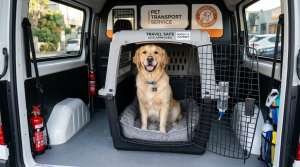
Ground transport uses vans, SUVs, or dedicated pet transport vehicles to move your animals. Drivers typically stop every 4–5 hours to walk and exercise the pets, provide food and water, and check on their well-being. This is the most popular option for domestic relocations, especially for large dogs, brachycephalic breeds, or pets that get anxious in air cargo.
Pros of ground transport:
- More affordable for distances under 1,000 miles
- No breed restrictions (unlike airlines)
- Door-to-door delivery available
- Less stressful for many animals
- Suitable for multiple pets traveling together
Cons of ground transport:
- Slower — a cross-country trip can take several days
- Cost per mile adds up for very long distances
Air Pet Transport
Air transport moves your pet via commercial airline, either in-cabin (for small pets under ~20 lbs), as checked baggage, or as air cargo through a dedicated freight service. Professional pet shippers like Airpets International or Air Animal Pet Movers coordinate the entire air shipping process, including crate requirements, health certificates, and connecting flight logistics.
Pros of air transport:
- Fastest option — ideal for cross-country or international moves
- Necessary for any international pet relocation
- Pets in-cabin arrive with you at the destination
Cons of air transport:
- More expensive, especially for large breeds
- Breed restrictions apply (many airlines ban snub-nosed breeds in cargo)
- Temperature restrictions: pets cannot fly if outside temps exceed 85°F or fall below 45°F within 2 hours of departure/arrival
- Some pets find the experience more stressful
Local Pet Taxi Services
For short-distance needs — vet appointments, grooming, daycare drop-offs — a pet taxi service is a convenient and affordable option. These are typically independent operators or small companies offering door-to-door pickup in a single metro area, priced per trip rather than per mile.
Browse local pet services near you on HeiBob to find pet taxi and transport providers in your city.
How Much Does Pet Transport Cost in 2026?
Pet transport costs vary widely based on distance, transport method, pet size, and service level. Here’s a breakdown of typical pricing in 2026:
| Transport Type | Distance / Scenario | Typical Cost Range |
|---|---|---|
| Local pet taxi | Within same city / under 30 miles | $25 – $75 per trip |
| Ground transport (short) | Under 500 miles | $150 – $500 |
| Ground transport (long) | Cross-country (1,500+ miles) | $700 – $3,500 |
| Air — in-cabin (small pet) | Domestic one-way | $100 – $200 (airline fee) |
| Air — cargo (medium/large) | Domestic one-way | $500 – $2,000 |
| International pet relocation | Overseas (full service) | $1,000 – $6,000+ |
| Ground (per-mile rate) | Average across providers | $0.50 – $1.60/mile |
Source: CitizenShipper, Happy Tails Travel, TLC Pet Transport pricing data, April 2026.
Additional Pet Transport Costs to Budget For
Beyond the base transport fee, there are several additional expenses to factor into your budget:
- Health certificate: $50–$200 (required by most carriers and for all interstate/international moves)
- USDA health certificate endorsement: ~$38 (required for international travel)
- Travel crate: $50–$500 depending on pet size (must meet IATA standards for air)
- Overnight boarding en route: $50–$150 per night for long ground trips
- Customs clearance fees (international): $100–$500+
- Import permits and vaccinations: Varies by destination country
Top Pet Transport Companies in the US (2026)
When choosing a dog transport service or full pet relocation company, it helps to compare the major players. Here are some of the most reputable pet transport companies operating nationally in 2026:
| Company | Best For | Transport Type | Notable Feature |
|---|---|---|---|
| Airpets International | International + exotic pets | Air | 30+ years, 12,000+ pets moved; handles exotic animals |
| Air Animal Pet Movers | Vet-led international service | Air | Founded by a vet; transparent online pricing calculator |
| CitizenShipper | Domestic ground (budget-friendly) | Ground | Competitive bidding marketplace; $1,000 pet protection plan |
| Starwood Pet Travel | Domestic + international | Air + Ground | IPATA member; door-to-door service |
| Happy Tails Travel | Ground transport across the US | Ground | Private van transport; real-time GPS updates |
| TLC Pet Transport | Small animal ground nationwide | Ground | Private and group routes; published rate schedule |
Source: U.S. News, ConsumerAffairs, Move.org pet shipping company reviews, 2026.
For local providers in your area, browse HeiBob’s pet services directory to find vetted transport options near you.
How to Choose the Right Pet Transport Service
Not all pet transport companies are equal. Here’s what to look for when evaluating a pet transportation service for your animal:
1. Verify Accreditation and Licensing
Reputable companies should be accredited by or affiliated with industry bodies like IPATA (International Pet and Animal Transportation Association) or the USDA (for interstate and international transport). IPATA members are held to standards of professionalism and animal welfare.
2. Check Reviews and Track Record
Look for companies with a verified history of successful transports, not just star ratings. Check Google Reviews, the Better Business Bureau, and pet owner forums like Reddit’s r/dogs or r/cats for real-world experiences. Avoid companies with a history of delayed or mishandled transports.
3. Ask About Handler Experience
Ask whether handlers have formal training in animal care. For air transport, ask whether the company uses their own staff at airports or outsources to third parties. This is especially important for older pets, puppies, or animals with health conditions.
4. Confirm Insurance and Liability Coverage
Find out what happens if your pet is injured or becomes ill during transport. Some services like CitizenShipper offer a $1,000 pet protection plan. Ask about the process for handling medical emergencies en route.
5. Get a Detailed Quote — and Read the Contract
A professional company will provide an itemized quote that covers all fees: base transport, crating, health certificate coordination, fuel surcharges, and overnight boarding if needed. Avoid providers who give vague estimates or ask for large deposits before any documentation is provided.
You can also read our related guide on how to evaluate pet service providers for general tips that apply to transport as well.
How to Prepare Your Pet for Transport
Proper preparation reduces stress for both you and your pet. Follow these steps before any long-distance or long distance pet transport:
- Vet check-up: Schedule a wellness visit 7–10 days before transport. Most carriers and all airlines require a signed health certificate issued within 10 days of travel.
- Crate training: Introduce your pet to their travel crate 2–4 weeks before the trip. Leave it open at home with familiar bedding so they associate it with comfort, not confinement.
- Update ID tags and microchip: Make sure your contact information is current in the microchip registry. Attach a clearly labeled ID tag to the crate as well.
- Fast before travel: Avoid feeding your pet 3–4 hours before transport to reduce nausea and accidents. Water should be available up to departure.
- Familiar items: Include a worn T-shirt or familiar blanket in the crate for scent-based comfort.
- Avoid sedation unless prescribed: Many vets no longer recommend sedating pets for air travel, as sedation can affect balance and respiration at altitude. Consult your vet specifically about your pet’s needs.
- International travel: Start the paperwork process 3–6 months in advance. Import requirements vary by country and can include mandatory quarantine periods, rabies titer tests, and specific microchip standards.
If your pet is traveling with a groomer before their journey, check out our guide on pet grooming services to get them looking and feeling their best before departure.
Frequently Asked Questions About Pet Transport Services
What is a pet transport service and how does it work?
How much does pet transport cost in 2026?
Is ground or air transport better for my pet?
What documents does my pet need for transport?
Can all dog breeds be transported by air?
How do I find a reputable pet transport company?
Find a Pet Transport Service Near You
Whether you’re planning a local vet run or a full cross-country relocation, working with a professional pet transport service gives you peace of mind that your animal is in safe, experienced hands. Compare your options, get itemized quotes, and start the health certificate process early — especially for international moves.
Ready to find trusted pet transportation in your area? Browse pet services on HeiBob to discover local transport providers, pet taxis, and more — all in one place.
Looking for related guides? Check out our articles on pet boarding vs pet sitting, pet grooming services, and dog training methods.