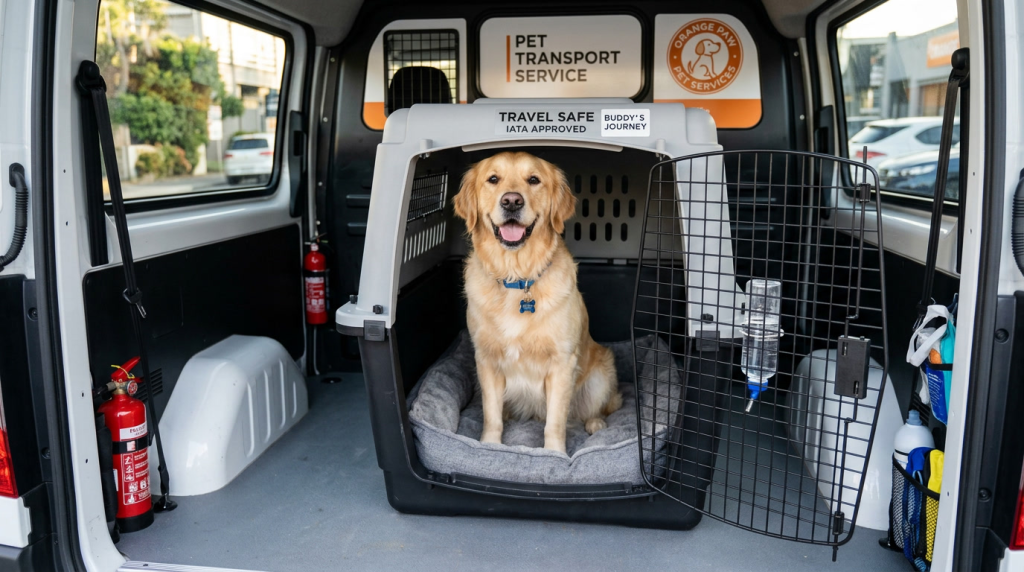
A pet transport service moves your dog, cat, or other animal safely — whether across your city or across the country. In 2026, costs range from $25 for a local pet taxi to $5,000+ for full-service international relocation, with most domestic ground transport averaging $350–$1,500 for trips under 500 miles.
This guide is for informational purposes. Always contact providers directly for current pricing and availability.
What Is a Pet Transport Service?
A pet transport service is a professional company or individual that moves animals on behalf of their owners. Services range from simple local pet taxis — driving your cat to the vet — to complex international relocations that handle customs paperwork, airline bookings, and USDA health certificates.
Pet transport services are commonly used for:
- Relocation: Moving to a new city or country with your pet
- Elderly or mobility-limited owners: When owners can’t drive pets to vet appointments or grooming
- Air travel: Pets too large for cabin travel need cargo or dedicated pet flight services
- Military moves: Service members relocating internationally rely on professional pet shippers
- Rescue transport: Moving shelter animals between states for adoption programs
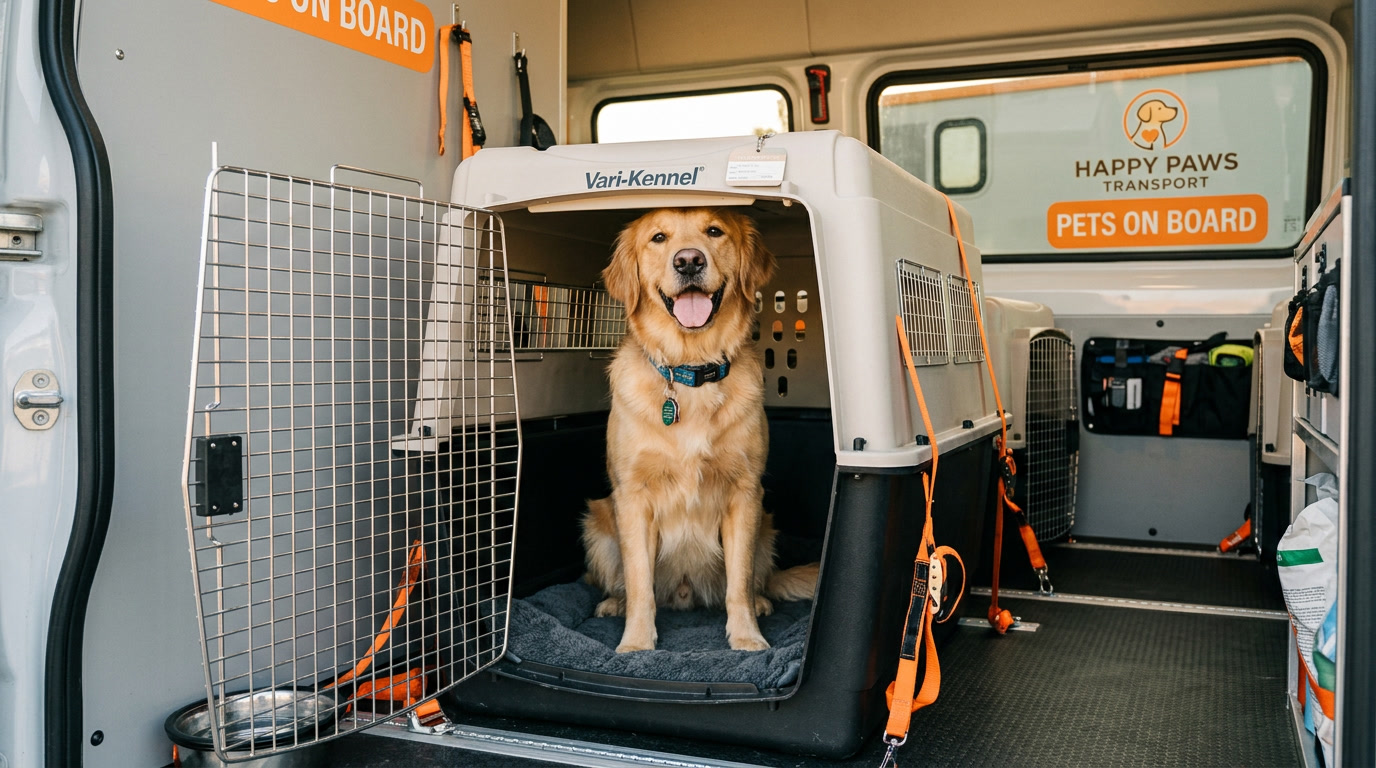
Reputable companies are members of the International Pet and Animal Transportation Association (IPATA) and follow USDA APHIS regulations. Browse pet transport services on HeiBob to find vetted local providers.
Types of Pet Transport Services
Not all pet transport services are the same. Here’s a breakdown of the main types available in 2026:
| Service Type | Best For | Distance | Avg. Cost |
|---|---|---|---|
| Pet Taxi / Local Transport | Vet visits, grooming, daycare | Under 30 miles | $25–$75/trip |
| Ground Transport (Regional) | Interstate moves, multi-city trips | 50–500 miles | $250–$900 |
| Cross-Country Ground | Coast-to-coast relocation | 500–3,000+ miles | $900–$3,000 |
| Air Cargo (Commercial Airline) | Pets too large for cabin | Domestic & International | $150–$1,200 |
| Private/Charter Pet Flights | Stress-free air travel, multiple pets | Any distance | $2,000–$15,000 |
| Full-Service International Relocation | Overseas moves with customs & paperwork | International | $1,500–$10,000+ |
*Pricing sourced from IPATA member surveys and industry averages, August 2026.
How Much Does Pet Transport Cost in 2026?
Pet transport costs depend on five main factors: distance, pet size, service type, number of pets, and special requirements (brachycephalic breeds, temperature sensitivity, health documentation). Here’s what to budget:
| Journey | Small Dog/Cat | Medium Dog | Large Dog |
|---|---|---|---|
| Local (under 30 mi) | $25–$50 | $35–$65 | $50–$80 |
| Regional (50–300 mi) | $200–$450 | $300–$600 | $400–$800 |
| Cross-country (1,000+ mi) | $700–$1,500 | $1,000–$2,500 | $1,500–$3,500 |
| Air cargo (domestic) | $150–$400 | $250–$600 | $350–$1,200 |
| International | $1,500–$4,000 | $2,000–$6,000 | $3,000–$10,000+ |
*Data from IPATA member surveys and CitizenShipper marketplace averages, August 2026.
Additional costs to budget for:
- USDA health certificate: $50–$200 (required for interstate and international travel)
- Microchipping: $25–$50 if not already done
- Airline-approved IATA crate: $30–$200 depending on size
- Import permits and vaccinations: varies by destination country
- Quarantine fees (some countries require): $500–$3,000+
How to Choose a Pet Transport Company
With hundreds of pet transport providers available in 2026, here’s how to find one you can trust:
1. Verify IPATA Membership
The International Pet and Animal Transportation Association maintains a directory of vetted professional pet shippers. IPATA members agree to a strict code of ethics and have demonstrated experience in safe animal transport. Always verify membership at IPATA.org before booking.
2. Check Reviews and References
Reputable companies share customer testimonials and references readily. Check Google Reviews, Yelp, and the Better Business Bureau. Platforms like CitizenShipper show verified reviews for individual transporters so you can compare directly.
3. Confirm Insurance Coverage
Professional pet transporters carry commercial liability insurance covering animals in their care. Ask for proof of insurance before booking and understand exactly what’s covered in the event of injury, illness, or loss during transit.
4. Ask About Rest Stops and Updates
For ground transport, ask how often the driver stops, how pets are secured in the vehicle, and whether you’ll receive photo or video check-ins during the journey. The best long-distance transporters provide GPS tracking and regular updates every 4–6 hours.
5. Understand Crate Requirements
IATA has specific crate size requirements based on animal height, weight, and ability to stand, turn, and lie down. If a transport company can’t clearly explain these requirements or allows undersized crates, look elsewhere.
Find vetted pet transport services on HeiBob — our listings include provider details, reviews, and direct contact information.
Tips for Safe Pet Travel
Whether using a professional service or moving a pet yourself, these best practices keep animals safe and calm during transport:
- Visit the vet first: Get a health certificate and confirm your pet is physically fit for travel. This is legally required for interstate ground transport and all commercial air travel.
- Fast your pet 4–6 hours before travel: Reduces nausea and motion sickness during the journey.
- Use frozen water in the crate bowl: Prevents spills while keeping pets hydrated as it melts gradually.
- Label the crate thoroughly: Include your pet’s name, your contact number, destination address, and any feeding or medication instructions.
- Add familiar scents to the crate: A worn T-shirt or familiar toy significantly reduces stress during transit.
- Avoid sedation when possible: Sedated pets can have dangerous reactions at altitude or in extreme temperatures. Ask your vet about safer calming alternatives like pheromone sprays or natural supplements.
- Book direct flights only: Always choose non-stop routes for air transport to minimize handling, connection stress, and transit time.
- Avoid travel in extreme weather: Most responsible transporters have temperature restrictions and will reschedule trips when conditions exceed safe thresholds for your pet’s breed.
International Pet Transport Guide
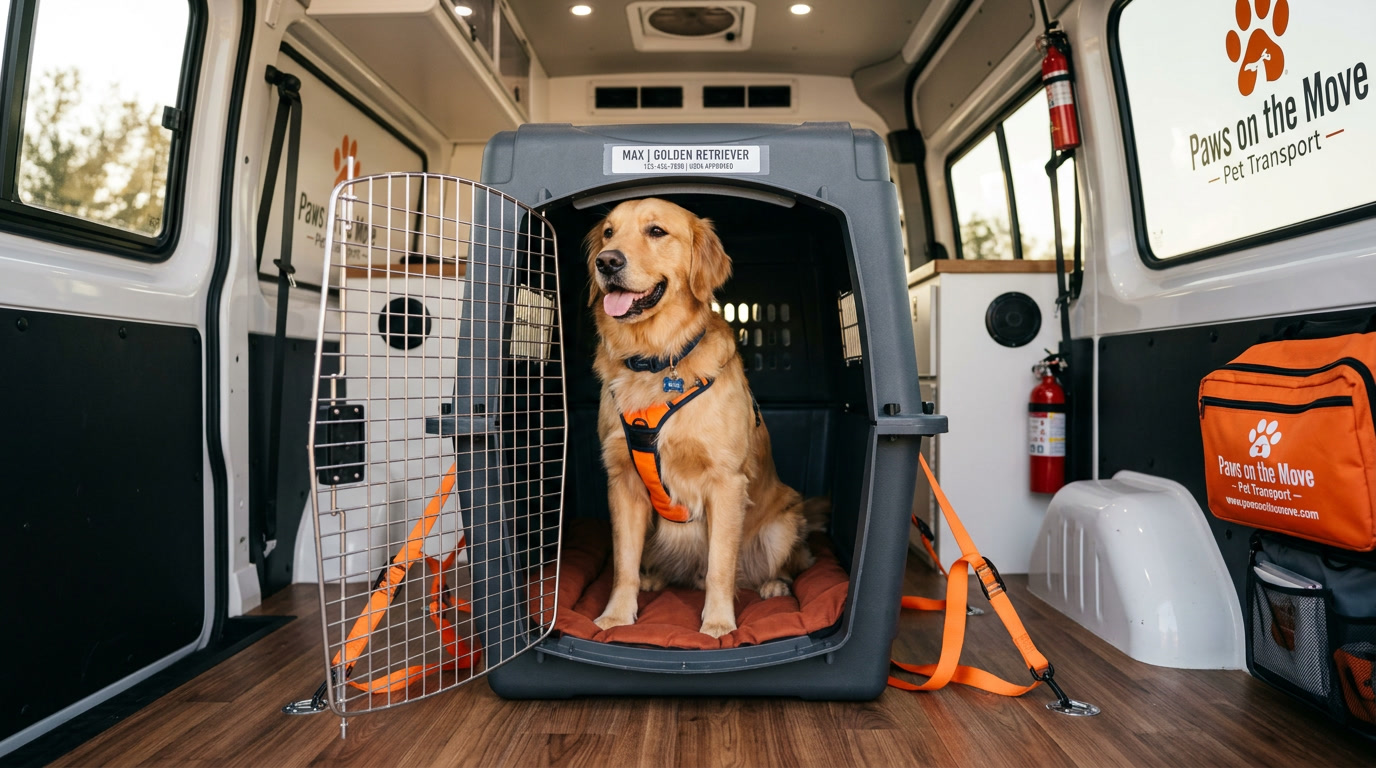
Moving abroad with a pet involves significantly more paperwork and planning than domestic transport. Start the process at least 3–6 months in advance for international moves, and longer for countries with strict quarantine requirements like Australia and New Zealand.
Key requirements for international pet transport:
- ISO microchip: Most countries require a 15-digit ISO 11784/11785 microchip implanted before rabies vaccination
- Rabies vaccination: Required by virtually all countries; some require a rabies titer test showing adequate antibody levels (EU, UK, Japan)
- USDA-endorsed health certificate: Must be issued within 10 days of travel and endorsed by USDA APHIS
- Import permits: Required by Australia, New Zealand, Japan, Singapore, and others — can take weeks to obtain
- Quarantine: Australia requires 10 days minimum; New Zealand up to 10 days; Hawaii (domestic US) requires 5-day inspection at the airport
Top international pet transport companies include PetRelocation.com, Air Animal, and Happy Tails Travel — all IPATA members with country-specific expertise.
Frequently Asked Questions About Pet Transport Services
How much does a pet transport service cost?
Is it safe to transport pets by air?
Do I need a health certificate for pet transport?
How long does cross-country pet transport take?
What is door-to-door pet transportation?
How do I find a reputable pet transport company?
📖 More Pet Care Guides
Best Dog Groomers in Cincinnati, OH (2026)
Find the best dog groomers in Cincinnati, OH for 2026. Compare top-rated salons in Blue Ash, Hyde Pa…
Best Dog Groomers in San Antonio, TX (2026)
Find the best dog groomers in San Antonio, TX in 2026. Compare top salons, mobile services, and pric…
Best Dog Groomers in Las Vegas, NV (2026)
Dog grooming in Las Vegas, NV starts at around $45 for small breeds and can reach $130+ for large or…
Ready to Find a Pet Transport Service?
Browse our directory of verified pet transport providers across the United States. Compare services, read reviews, and connect directly with transporters in your area.




Leave a Reply
You must be logged in to post a comment.