
How to Choose a Dog Trainer: Complete Guide 2026
Choosing a dog trainer in 2026 means evaluating credentials, training methods, pricing, and fit for your dog’s specific needs. The best professional dog trainers use positive reinforcement, hold recognised certifications (CPDT-KA, IAABC), and offer transparent pricing between $50–$150 per session. This complete guide walks you through every step — from spotting red flags to comparing dog training methods — so you find the right trainer the first time.
This guide is for informational purposes. Always contact providers directly for current pricing and availability.
Why Choosing the Right Dog Trainer Matters
A good dog trainer doesn’t just teach your dog to sit — they teach you how to communicate with your dog for life. The wrong trainer, on the other hand, can set your dog back months, trigger fear or aggression, and cost you far more in the long run.
The dog training industry is largely unregulated in the United States. Anyone can call themselves a professional dog trainer with no formal education or certification. This makes your job as a pet owner critical: you need to know what to look for before you hand over your dog — and your money.
According to the American Kennel Club, dogs that receive proper training in their first year are significantly less likely to develop problem behaviours like excessive barking, aggression, or destructive chewing. The earlier you start, the better the results — but the trainer you choose shapes everything.
Whether you’re searching for a dog trainer near you or comparing options across cities, this guide gives you the framework to make a confident decision.
Dog Training Methods Explained
Before you hire anyone, understand the main dog training methods in use today. The approach a trainer uses directly affects your dog’s wellbeing and the durability of results.

1. Positive Reinforcement (Force-Free)
Rewards good behaviour with treats, praise, or play. Backed by the most scientific research. Recommended by the American Veterinary Society of Animal Behavior (AVSAB). Results take longer initially but are more durable and don’t damage trust.
2. Balanced Training
Combines positive reinforcement with mild corrections (leash pressure, verbal “no”). Widely used by professional trainers. Works well for dogs that don’t respond strongly to food rewards alone.
3. Alpha / Dominance-Based Training
Based on outdated wolf-pack hierarchy theory. Uses punishment to establish control. This approach has been largely debunked by modern animal behaviour science and can cause anxiety, fear, and aggression. Avoid trainers who insist you must “dominate” your dog.
4. Clicker Training
A subset of positive reinforcement using a click sound to mark the exact moment of correct behaviour. Highly precise and effective. Common in agility, service dog, and trick training.
5. Aversive / Punishment-Based
Uses shock collars, prong collars, or physical correction as the primary tool. Can suppress behaviour temporarily but often leads to redirected aggression. Multiple veterinary and behaviour organisations advise against this approach.
| Method | Approach | Best For | Recommended? |
|---|---|---|---|
| Positive Reinforcement | Rewards-only | All dogs, puppies | ✅ Yes |
| Balanced Training | Rewards + mild corrections | Stubborn breeds, advanced work | ⚠️ Case-by-case |
| Clicker Training | Marker-based rewards | Tricks, agility, service dogs | ✅ Yes |
| Alpha / Dominance | Pack hierarchy enforcement | — | ❌ No |
| Aversive / Punishment | Shock/prong collars | — | ❌ No |
Sources: AVSAB Position Statement on Punishment (2023); AKC S.T.A.R. Puppy Program guidelines
Certifications & Credentials to Look For
Since dog training is unregulated, professional credentials are one of your best filters. Here are the legitimate certifications that demonstrate real expertise:
| Certification | Issuer | Requirements | Level |
|---|---|---|---|
| CPDT-KA | CCPDT | 300 hrs experience + exam | Entry–Mid |
| CPDT-KSA | CCPDT | CPDT-KA + skills assessment | Advanced |
| CDBC | IAABC | 500 hrs + case studies | Advanced |
| KPA CTP | Karen Pryor Academy | 6-month program + practicum | Mid |
| CBCC-KA | CCPDT | 500 hrs behaviour consulting | Specialist |
Source: CCPDT.org, IAABC.org (2025)
Tip: CPDT-KA is the most widely recognised baseline certification. A trainer with CPDT-KA + 3+ years of experience is a solid starting point. For aggression or serious behaviour issues, look for CDBC or CBCC-KA credentials.
10 Questions to Ask Before You Hire a Dog Trainer
When you first contact a trainer — whether in person, by phone, or via their website — these questions separate the professionals from the hobbyists:
- What certifications do you hold? — Look for CPDT-KA, IAABC, or KPA CTP at minimum.
- What training methods do you use? — A good trainer explains their philosophy clearly without being defensive.
- Do you use punishment, shock collars, or prong collars? — Their answer tells you everything about their approach.
- Can I observe a class or session before I commit? — Reputable trainers welcome observation.
- How many dogs do you work with at once in group classes? — Ideal ratio is 1 trainer per 6–8 dogs.
- What experience do you have with my dog’s breed and issue? — Breed-specific knowledge matters for herding dogs, guardian breeds, etc.
- What happens if my dog doesn’t respond to your methods? — Listen for flexibility and problem-solving, not defensiveness.
- Do you offer a training plan in writing? — Professional trainers set clear goals and milestones.
- Are you insured? — Professional liability insurance is a mark of a serious business.
- What do I need to do between sessions? — Training is a team effort. A good trainer empowers you, not just your dog.
Dog Trainer Pricing & What Affects Cost
Dog trainer costs vary significantly by location, format, and trainer experience. Here’s what to expect across the United States in 2026:
| Training Type | Format | Avg. Cost (US) | Best For |
|---|---|---|---|
| Private lessons | 1-on-1, in-home or facility | $75–$150/hr | Behaviour issues, busy schedules |
| Group classes | 4–8 week programme | $100–$250 total | Socialisation, basic obedience |
| Board & train | Dog stays at facility | $1,500–$6,000 | Serious problems, owner travel |
| Online training | Video sessions / courses | $30–$100/session | Foundations, puppy training |
| Puppy classes | Group, 6–8 weeks | $100–$200 total | 8–16 week old puppies |
Prices as of June 2026. Regional variation applies — major metros (NYC, LA, SF) run 20–40% higher.
What drives price up: Advanced certifications, specialisation in aggression or anxiety, in-home visits, and major metro locations all increase cost. Board & train is the most expensive but can deliver fast results for serious issues.
Looking for dog training services in your city? Browse all dog trainers on HeiBob to compare local options and prices.
Red Flags to Watch Out For
Not all dog trainers are created equal. These warning signs should prompt you to walk away:
- 🚩 Guarantees results — No ethical trainer guarantees behaviour change. Dogs are individuals.
- 🚩 Won’t let you observe a session — Transparency is a basic standard. Refusal is a red flag.
- 🚩 Uses dominance language — “You need to show your dog who’s alpha” is a sign of outdated methods.
- 🚩 Relies on pain or fear — Shock collars, prong collars, or physical corrections as primary tools cause harm.
- 🚩 No verifiable credentials — Anyone can print a certificate. Check registries at CCPDT.org or IAABC.org.
- 🚩 Pushes expensive packages upfront — Reputable trainers often let you start with one session before committing to a full programme.
- 🚩 Bad reviews mentioning anxious or worsened dogs — Check Google and Yelp reviews specifically for mentions of the dog’s emotional state after training.
- 🚩 No written plan or goals — Professional trainers provide a clear plan with milestones.
Types of Dog Training Programs
Beyond the trainer’s methods, you’ll also need to choose the right format for your situation:
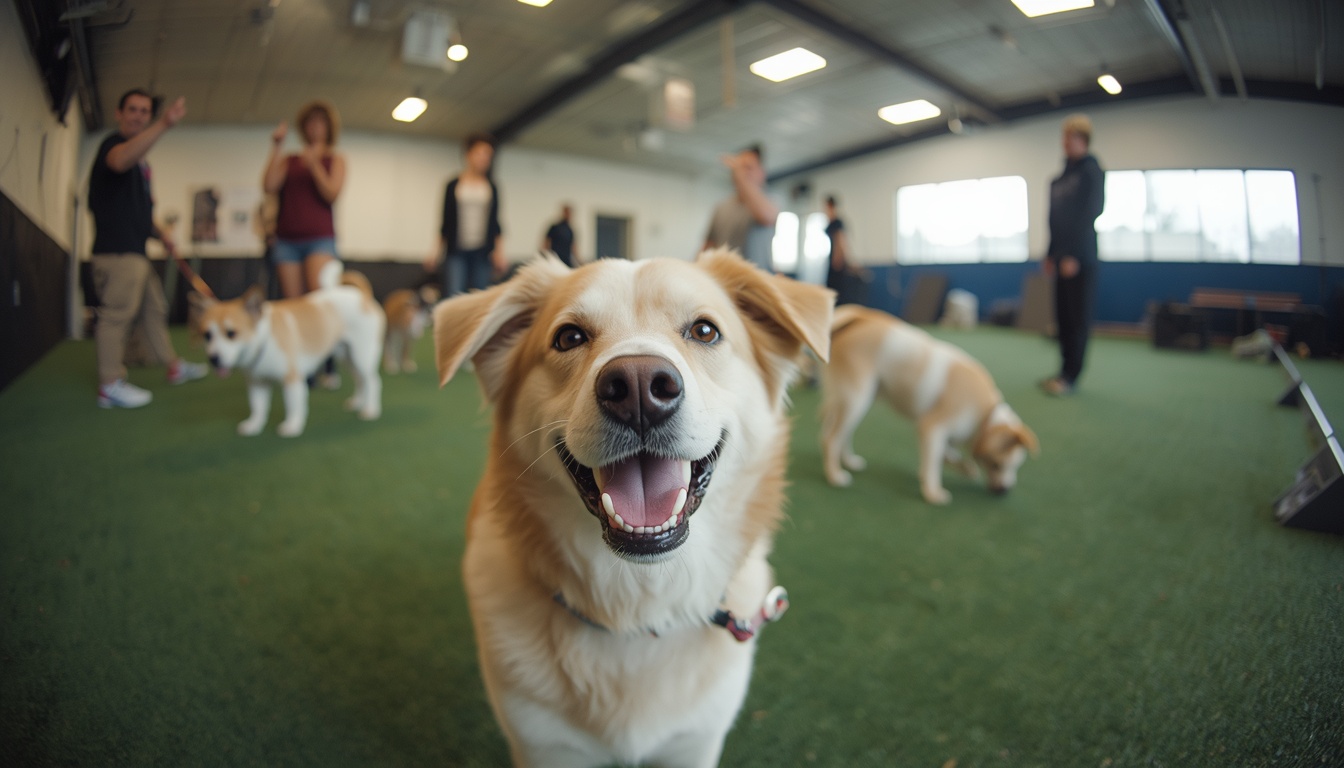
Puppy Classes (8–16 weeks)
The single most valuable training investment. Early socialisation during this critical window shapes your dog’s temperament for life. Look for classes that allow puppies to interact with other dogs and people in a safe, supervised setting.
Basic Obedience
Teaches sit, stay, down, come, leave it, and leash manners. Usually runs 4–8 weeks in a group format. Ideal for dogs 4 months and older with no serious behaviour issues.
Behaviour Modification
Addresses specific problems: aggression toward dogs or people, fear/anxiety, resource guarding, or separation anxiety. Requires a trainer with specialist credentials (CDBC, CBCC-KA). Private sessions or board & train are typical formats.
Advanced & Specialty Training
Includes agility, nose work, rally obedience, Canine Good Citizen (CGC) preparation, service dog work, and therapy dog certification. These require a solid obedience foundation first.
Board & Train
Your dog lives with the trainer for 2–4 weeks while receiving intensive daily training. Results can be dramatic, but watch out for trainers who use aversive methods during this unsupervised time. Always ask to observe the facility and for a detailed daily log.
Compare dog training services near you on HeiBob — including private trainers, group classes, and board & train programmes. You can also check dog trainers in Austin, dog trainers in Chicago, and dog trainers in Tampa for local options.
Frequently Asked Questions About How to Choose a Dog Trainer
How do I choose the right dog trainer for my dog?
What certifications should a professional dog trainer have?
How much does a dog trainer cost in 2026?
What dog training methods are considered best?
What are red flags when hiring a dog trainer?
When should I start training my puppy?
Is board and train worth it?
📖 More Pet Care Guides
Best Pet Stores in Houston, TX (2026)
Find the best pet stores in Houston, TX in 2026. Compare top-rated shops for dogs, cats, reptiles an…
Pet Boarding vs Pet Sitting: Which Is Better for Your Dog in 2026?
Pet boarding vs pet sitting: which is better for your dog? Compare costs, pros, and cons…
Dog Grooming Prices in 2026
Dog grooming prices in 2026 range from $30 to $180 depending on size, breed, and services…
Ready to Find a Dog Trainer Near You?
Browse verified dog trainers on HeiBob — compare methods, certifications, and reviews all in one place.



Leave a Reply
You must be logged in to post a comment.