Complete Guide to Dog Training Methods (2026): Which Approach Is Best for Your Dog?
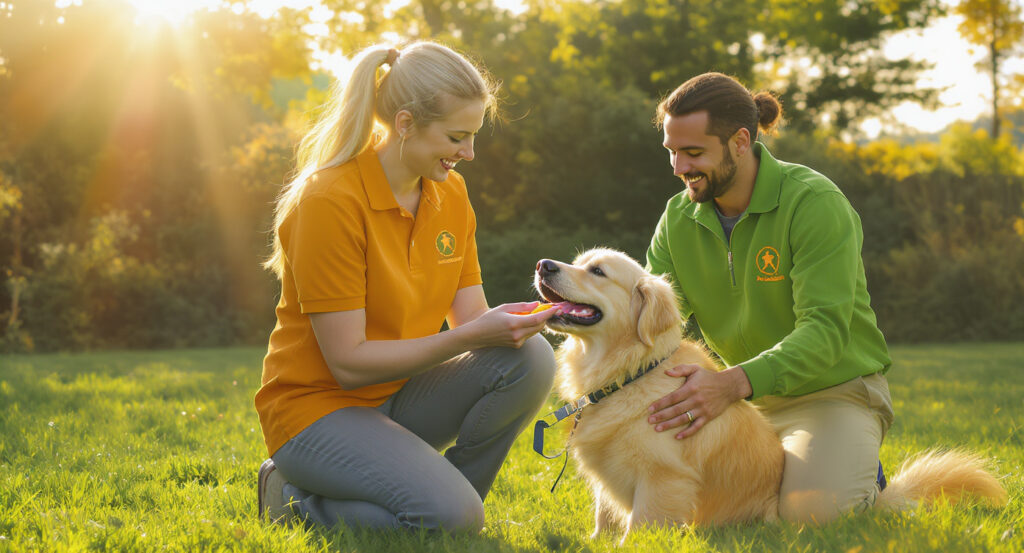
The best dog training methods in 2026 rely on science-backed positive reinforcement — rewarding desired behaviors with treats, praise, or play. Whether you have a brand-new puppy or an adult dog with problem behaviors, understanding the major training approaches helps you choose a trainer wisely and get results faster. This guide breaks down every major method, compares costs, and tells you what to avoid.
This guide is for informational purposes. Always contact providers directly for current pricing and availability.
Overview of Dog Training Methods
Dog training has evolved significantly over the past two decades. Where once dominance-based and punishment-heavy methods dominated, the science of animal behavior has shifted the field toward reward-based, humane techniques. Today’s trainers generally fall into four broad camps:
- Positive reinforcement trainers — reward-only or reward-first, force-free
- Clicker trainers — use a clicking device to precisely mark desired behaviors
- Science-based trainers — blend classical conditioning, operant conditioning, and behavioral analysis
- “Balanced” trainers — use all four quadrants of operant conditioning, including some corrections
The American Veterinary Society of Animal Behavior (AVSAB) recommends reward-based training as the primary approach. It’s safer, more effective for long-term behavior, and strengthens the bond between dog and owner.

Positive Reinforcement Training
Positive reinforcement (PR) is the cornerstone of modern, humane dog training. The principle is simple: when your dog does something you want, you immediately reward them. The reward — a treat, praise, a favorite toy, or play — increases the likelihood they’ll repeat the behavior.
How It Works
- Timing is everything: The reward must come within 1–2 seconds of the behavior for the dog to make the connection
- High-value rewards: For new behaviors or distracting environments, use small, soft treats your dog loves
- Consistency: Every family member should reward the same behaviors the same way
- Gradual progression: Start in low-distraction environments, then increase difficulty
Best For
All dogs, but especially puppies, fearful or anxious dogs, and dogs with a history of abuse. PR is the gold standard for teaching basic obedience (sit, stay, come, heel), house training, and trick training.
Cost
Private PR sessions run $75–$150 per hour in most US cities in 2026. Group classes cost $150–$300 for a 4–6 week course. Force-free trainers may charge 10–30% more than correction-based trainers, reflecting their advanced credentials and effectiveness.
Want to find a qualified trainer near you? Browse dog training services on HeiBob.
Clicker Training
Clicker training is a specialized form of positive reinforcement that uses a small handheld device — the clicker — to precisely mark the exact moment your dog performs a desired behavior. The click sound serves as a “bridge,” telling the dog “yes, that’s exactly it!” before the treat arrives.
The Process
- Charge the clicker: Click and treat repeatedly so your dog learns click = reward
- Mark the behavior: Click the instant the desired behavior occurs
- Deliver the reward: Follow the click with a treat within 3–5 seconds
- Fade the click: Once the behavior is solid, you can reduce clicker use and rely on verbal cues
Key Advantages
- Precision: Captures the exact moment of correct behavior
- Consistency: The click sound is always the same, unlike human vocal tone
- Speed: Dogs often learn new behaviors faster with a clicker than treats alone
- Engagement: Dogs become active problem-solvers rather than passive responders
Clickers cost just $2–$10 and are available at any pet store or online. You can also use a verbal marker like “Yes!” if you prefer not to carry a device.

Science-Based & Balanced Training
Science-Based Training
Science-based trainers draw on the latest research in animal behavior, learning theory, and cognitive science. They combine classical conditioning (think Pavlov’s dog) with operant conditioning, applied behavior analysis (ABA), and positive reinforcement into a flexible, evidence-based system. These trainers continuously update their methods based on new research.
The best science-based trainers hold credentials like:
- CPDT-KA (Certified Professional Dog Trainer – Knowledge Assessed)
- IAABC Certified Dog Behavior Consultant
- Karen Pryor Academy Certified Training Partner (KPA CTP)
- Veterinary behaviorist (DACVB) for severe behavioral issues
Balanced Training
“Balanced” trainers use all four quadrants of operant conditioning: positive reinforcement, negative reinforcement, positive punishment, and negative punishment. In practice, this means they may use corrections (leash pops, e-collars) alongside food rewards. Some balanced trainers are highly skilled and use corrections sparingly and humanely; others rely too heavily on aversive tools.
Key consideration: The 2026 scientific literature consistently shows that aversive methods increase stress, fear, and aggression in dogs compared to reward-only approaches. If a trainer uses balanced methods, ask specifically how often they use aversive tools and under what circumstances.
Training Methods to Avoid
Some older training methods — still practiced by some trainers — have been discredited by modern behavioral science. Watch out for:
- Alpha/dominance theory: Based on outdated wolf pack research from the 1970s. “Alpha rolls,” scruff shakes, and forced submission are harmful and ineffective. Modern wolf research confirms dogs don’t organize themselves into rigid dominance hierarchies.
- Punishment-heavy training: Using pain, fear, or intimidation to stop unwanted behaviors increases anxiety, can cause aggression, and damages the human-dog bond.
- Shock collars (e-collars) used incorrectly: While some very experienced trainers use e-collars under controlled conditions, they carry high welfare risks and have caused documented injuries including burns and heightened stress. Multiple countries have banned them entirely.
- Flooding: Forcing a dog to face a feared stimulus until they stop reacting. This suppresses behavior without addressing the underlying fear and often makes things worse.
Red flags when hiring a trainer: They guarantee results in a set number of sessions, refuse to explain their methods, use force or physical corrections in your first session, or dismiss your concerns about their approach.
Dog Training Methods — Comparison Table
| Method | Best For | Avg. Cost (2026) | Science Support | Stress Risk |
|---|---|---|---|---|
| Positive Reinforcement | All dogs, puppies, fearful dogs | $75–$150/hr private; $150–$300 group | ✅ Strongly supported | Very Low |
| Clicker Training | All dogs, trick training, precision work | $2–$10 clicker; same trainer rates as PR | ✅ Strongly supported | Very Low |
| Science-Based | Complex behaviors, aggression, anxiety | $100–$200/hr; specialist rates higher | ✅ Strongly supported | Low |
| Balanced Training | Experienced handlers, specific use cases | $80–$175/hr | ⚠️ Mixed — corrections add welfare risk | Moderate |
| Board & Train | Busy owners, intensive behavior rehab | $1,000–$3,000/week | ⚠️ Varies by trainer method | Low–Moderate |
| Alpha/Dominance | Not recommended | Varies | ❌ Discredited by research | High |
Sources: AVSAB, Frontiers in Veterinary Science (2026), AKC, dogtrainermatch.com | Prices as of July 2026
How to Choose the Right Training Method
The best training method for your dog depends on several factors:
- Your dog’s age: Puppies thrive with positive reinforcement from the start. Adult dogs with ingrained habits may need more patience and structured sessions.
- Your dog’s temperament: Fearful or reactive dogs need force-free approaches. Confident, high-drive dogs (working breeds, sport dogs) can handle more varied training styles.
- The specific behavior: Basic obedience responds well to PR and clicker work. Serious aggression or severe anxiety warrants a veterinary behaviorist, not just a trainer.
- Your lifestyle: If you can’t practice daily, a board-and-train program may be more effective than weekly private sessions.
- Your budget: Group classes offer excellent value for basic obedience. Private sessions cost more but address specific issues faster.
For most pet owners with a puppy or dog who needs basic manners, a 6-week group positive reinforcement class is an excellent starting point. Compare local dog trainers on HeiBob to find certified options near you.
What to Look for in a Dog Trainer
Dog training is an unregulated industry in the US — anyone can call themselves a trainer. Use these criteria to vet candidates:
- Credentials: Look for CPDT-KA, KPA CTP, IAABC, or CCPDT certification. These require demonstrated skills and ongoing education.
- Methods transparency: A good trainer happily explains exactly how they train and why. Walk away from anyone who says “you’ll see when we get there.”
- Force-free philosophy: Ask directly if they use pinch collars, choke chains, e-collars, or physical corrections. The most effective modern trainers don’t need these tools.
- References and reviews: Check Google, Yelp, and HeiBob reviews. Look for trainers with consistent results across different breeds and issues.
- Trial session: Many trainers offer a consultation or first session at reduced cost. Use this to assess their approach with your specific dog.
- Continuing education: Top trainers attend seminars, take courses, and stay current on behavioral research. Ask what they’ve learned in the last year.
Frequently Asked Questions About Dog Training Methods
What is the most effective dog training method in 2026?
How much does dog training cost in 2026?
Is clicker training better than verbal praise?
Can older dogs be trained using positive reinforcement?
Should I use a shock collar (e-collar) to train my dog?
How long does it take to train a dog?
What credentials should I look for in a dog trainer?
📖 More Pet Care Guides
Best Dog Groomers in Miami, FL (2026): Top Salons, Mobile Services & Prices
Miami’s best dog groomers reviewed — top salons, mobile services, prices and what to expect…
Pet Transport Services: Everything You Need to Know (2026)
Everything about pet transport services in 2026 — types, costs, top companies and tips for safe long…
Best Pet Shops in Houston, TX (2026): Top Stores, Prices & What to Expect
Find the best pet stores in Houston, TX in 2026. Compare top-rated local shops, prices and what to buy…
Ready to Find a Certified Dog Trainer?
Now that you know which training methods actually work, it’s time to find a qualified trainer near you. HeiBob lists certified, reviewed dog trainers across the US — so you can compare credentials, read real reviews, and book with confidence.
Browse Dog Trainers on HeiBob →


Leave a Reply
You must be logged in to post a comment.