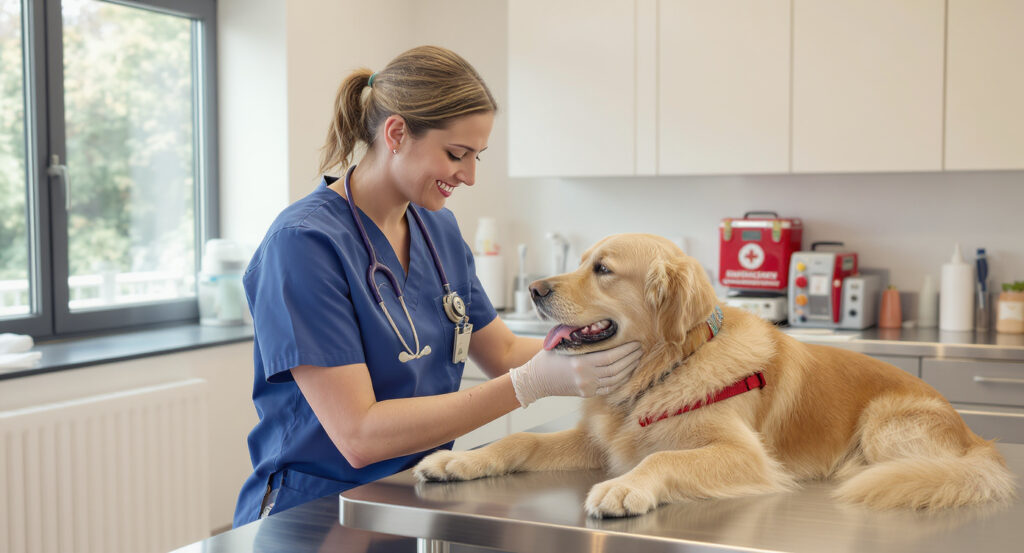
Emergency Vet vs. Regular Vet: When to Go Where (2026 Guide)
Knowing whether to rush to an emergency vet or wait for your regular vet can be the difference between life and death for your pet. Emergency vets are open 24/7 for life-threatening crises, while your primary vet handles routine care and non-urgent issues during business hours. Urgent care clinics fill the gap — open evenings and weekends for problems that need prompt but not immediate attention.
This guide is for informational purposes. Always contact providers directly for current pricing and availability. In a life-threatening emergency, go to the nearest emergency vet immediately rather than waiting to consult a guide.
Emergency Vet vs. Regular Vet: What’s the Actual Difference?
Your regular (primary care) vet handles wellness exams, vaccines, dental cleanings, routine bloodwork, and minor illnesses — all scheduled appointments during business hours. They know your pet’s medical history and are your first call for non-urgent health concerns.
Emergency veterinary clinics are 24/7 animal hospitals staffed with specialists and equipped for intensive care, major surgery, and life-saving interventions. They exist because emergencies don’t happen on schedule. You don’t need an appointment — you walk in when disaster strikes.
A third option — urgent care vet clinics — has grown significantly. These operate with extended evening and weekend hours, require no appointment, and cost less than a full emergency clinic. They’re ideal for problems that can’t wait for your regular vet but aren’t immediately life-threatening.
| Feature | Regular Vet | Urgent Care Vet | Emergency Vet |
|---|---|---|---|
| Hours | Business hours only | Extended / evenings / weekends | 24/7, 365 days |
| Appointment needed | Yes | Walk-in | Walk-in |
| Best for | Wellness, routine illness | Non-critical but urgent issues | Life-threatening emergencies |
| Avg. exam fee | $50–$80 | $100–$200 | $150–$300+ |
| Typical total visit cost | $70–$250 | $300–$700 | $800–$1,500+ |
| Knows your pet’s history | Yes | No | No |
| ICU / surgery capability | Limited | Limited | Full capability |
Source: Pawlicy Advisor, VetCostCalc, Spot Pet Insurance (2026)
12 Warning Signs That Require an Emergency Vet Right Now
The American Veterinary Medical Association (AVMA) identifies these as true emergencies that cannot wait until your regular vet opens. If your pet shows any of these signs, go immediately:
- Difficulty breathing — labored breathing, blue/gray gums, open-mouth breathing in cats
- Severe or uncontrolled bleeding — blood that won’t stop after 5 minutes of pressure
- Suspected poisoning — ingestion of chocolate, grapes, xylitol, medications, plants, or household chemicals
- Seizures — any seizure lasting more than 3 minutes, or multiple seizures within 24 hours
- Loss of consciousness or collapse — sudden fainting, inability to stand, or complete unresponsiveness
- Inability to urinate — especially in male cats; a blocked bladder is fatal within 24–48 hours without treatment
- Suspected bloat (GDV) — distended, hard belly with retching/dry heaving in large or deep-chested dogs
- Severe trauma — hit by car, fall from height, animal attack with puncture wounds
- Eye injuries — anything penetrating the eye, or a prolapsed eyeball
- Suspected broken bones — inability to bear weight with obvious deformity
- Extreme distress or pain — crying out, inability to get comfortable, aggressive when touched
- Prolonged labor — mother straining more than 60 minutes without delivering a pup or kitten
⚠️ When in doubt, call first. Most emergency vet clinics have a triage line. A 2-minute phone call can help you assess whether your pet needs to come in immediately or can wait until morning.

When Urgent Care or Your Regular Vet Is Enough
Not every after-hours concern is a true emergency. These situations are best handled at an urgent care vet (if it’s after hours) or your primary vet (if it can wait until the next business day):
Appropriate for urgent care (not emergency):
- Mild vomiting or diarrhea — 1–2 episodes, no blood, pet still alert
- Limping without obvious injury or extreme pain
- Minor cuts or lacerations that have stopped bleeding
- Ear infections — ongoing discharge or head shaking
- Urinary tract infections — straining but still producing urine
- Eye discharge — mild redness or tearing without injury
- Skin irritation, rash, or minor allergic reaction (no facial swelling)
Can wait for your regular vet appointment:
- Annual wellness exams and vaccines
- Weight management or dietary concerns
- Dental cleanings
- Behavioral changes (gradual onset, no distress)
- Prescription refills
- Follow-up care after emergency treatment
If you’re in the Phoenix, AZ area, check out our guide to the best veterinary clinics in Phoenix, which includes both regular and emergency options. You can also browse vet listings on HeiBob to find clinics in your city.
Emergency Vet vs. Urgent Care vs. Regular Vet: Real Cost Breakdown
Emergency vet care is expensive — typically 3–5x the cost of a regular vet visit. Here’s what you can expect to pay, based on 2026 data from VetCostCalc and real vet bills reported by pet owners:
| Service / Scenario | Regular Vet | Urgent Care | Emergency ER |
|---|---|---|---|
| Exam / consultation | $50–$80 | $100–$200 | $150–$300 |
| After-hours surcharge | N/A | Included | +$50–$150 |
| Bloodwork / diagnostics | $100–$300 | $150–$350 | $200–$500 |
| X-rays | $150–$300 | $200–$350 | $200–$400 |
| IV fluids | $50–$150 | $100–$250 | $200–$500 |
| Typical total visit | $70–$250 | $300–$700 | $800–$1,500+ |
| Major surgery / ICU stay | N/A | Referred to ER | $2,000–$6,000+ |
Source: VetCostCalc, VetReceipt, Spot Pet Insurance — July 2026
Why the premium? Emergency clinics maintain 24/7 specialist staffing, keep advanced surgical suites ready at all hours, and stock critical care medications. That constant readiness costs money — and those costs are passed on when you need it most.
5 Ways to Save on Emergency Vet Bills
- Get pet insurance before you need it. A comprehensive plan typically costs $30–$80/month and can reimburse 70–90% of emergency bills. Crucially, pre-existing conditions aren’t covered — enroll your pet while they’re healthy.
- Ask about a payment plan. Many emergency clinics offer in-house financing or accept CareCredit. Ask before assuming you must pay everything upfront.
- Try urgent care first for gray-area situations. If your pet isn’t in obvious distress, an urgent care clinic can handle many conditions at half the emergency ER price — and they’ll refer you to the ER if needed.
- Keep a pet emergency fund. Financial planners suggest setting aside $500–$1,000 as a starter emergency fund for pet care costs.
- Know your nearest emergency vet now — not in a crisis. Program the address and number into your phone today. Choosing the wrong (farther) clinic in a panic wastes critical minutes.

Looking for vetted vet listings in your city? Browse HeiBob’s veterinary clinic directory to find regular vets and emergency animal hospitals near you.
Frequently Asked Questions About Emergency Vet vs. Regular Vet
When should I go to an emergency vet instead of my regular vet?
Is an emergency vet open 24 hours?
How much does an emergency vet visit cost?
What’s the difference between an urgent care vet and an emergency vet?
Can I call an emergency vet before going in?
Does pet insurance cover emergency vet visits?
📖 More Pet Care Guides
Best Dog Groomers in Dallas, TX (2026)
Find the best dog groomers in Dallas, TX in 2026. Compare top-rated salons…
How to Choose a Dog Trainer: Complete Guide (2026)
Choosing the right dog trainer comes down to certification, methods…
Best Pet Stores in Houston, TX (2026)
Find the best pet stores in Houston, TX in 2026. Compare top local shops…
Find a Trusted Vet Near You
Whether you need a regular vet for annual checkups or want to bookmark the nearest emergency animal hospital, HeiBob helps you find verified veterinary clinics in your city.
Browse Vet Listings Near You →



Leave a Reply
You must be logged in to post a comment.