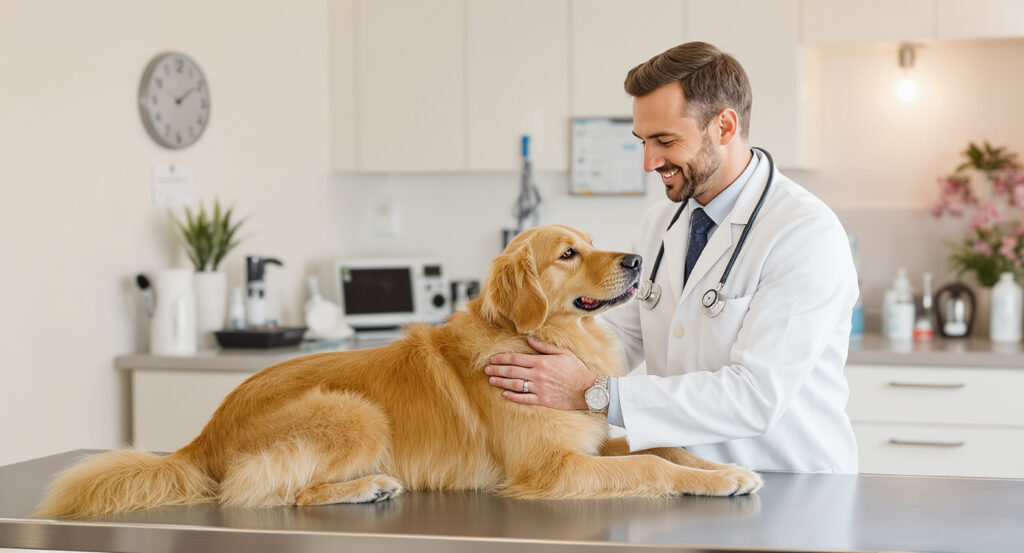
Emergency Vet vs Regular Vet: When to Go Where (2026 Guide)
Knowing when to rush to an emergency vet versus waiting for your regular veterinarian could save your pet’s life — and save you hundreds of dollars. Emergency vet visits cost $439–$1,474 on average, compared to $70–$250 for a routine vet visit. This guide explains exactly which symptoms require emergency care, which can wait, and how to make that decision fast when every minute counts.
This guide is for informational purposes only. Always contact providers directly for current pricing and availability. In a life-threatening emergency, go immediately — don’t wait.
- Emergency Vet vs Regular Vet: Key Differences
- Signs You Need the Emergency Vet RIGHT NOW
- Signs That Can Wait for Your Regular Vet
- The Middle Ground: Urgent Care Vet Clinics
- Cost Comparison: Emergency Vet vs Regular Vet (2026)
- What to Expect at an Emergency Animal Hospital
- How to Prepare Before an Emergency Happens
- Frequently Asked Questions
Emergency Vet vs Regular Vet: Key Differences
Your regular veterinarian and an emergency animal hospital serve very different purposes. Understanding the difference helps you make the right call quickly.
| Factor | Regular Vet | Emergency Vet |
|---|---|---|
| Hours | Mon–Sat, 8am–6pm typically | 24/7, 365 days a year |
| Appointment | Scheduled in advance | Walk-in, triage-based |
| Best for | Wellness, vaccinations, chronic care | Life-threatening injuries, sudden illness |
| Equipment | Standard diagnostics | ICU, surgical suites, 24hr monitoring |
| Exam fee | $50–$150 | $150–$300 triage fee |
| Total visit cost | $70–$250 | $439–$1,474+ (median: $806) |
| Medical history | Full records on file | Starts fresh (bring your own records) |
Source: Pawlicy Advisor, VetReceipt.com, 2026 pricing data
Emergency vets typically take over after your regular clinic closes, handling overnight and weekend crises. Once stable, they’ll refer your pet back to your primary vet for follow-up care. They’re not a replacement — they’re a safety net.
Signs You Need the Emergency Vet RIGHT NOW
These symptoms require immediate emergency veterinary care. Don’t call ahead to your regular vet — go directly to the nearest emergency animal hospital now.
Breathing & Cardiovascular Emergencies
- Severe difficulty breathing, gasping, or choking
- Blue, white, or grey gums (sign of oxygen deprivation)
- Collapse or sudden inability to stand
- Rapid or very slow heart rate
- Suspected heart attack
Trauma & Injury
- Hit by a car or severe fall
- Uncontrolled bleeding (won’t stop within 5 minutes with pressure)
- Open wounds exposing bone or deep tissue
- Eye injuries or sudden vision loss
- Suspected broken bones with inability to bear weight
Neurological Signs
- Active seizure, or more than one seizure in 24 hours
- Sudden paralysis or loss of coordination
- Head tilting violently combined with falling/rolling
- Sudden behavioral change or disorientation
Gastrointestinal Emergencies
- Bloated, distended abdomen (especially large breeds — this can be GDV/bloat, which is fatal within hours)
- Retching without producing vomit
- Inability to urinate (especially male cats) — can cause kidney failure within 24–48 hours
- Suspected ingestion of poison, toxins, or foreign objects
- Bloody diarrhea with weakness or collapse
Other Red-Flag Emergencies
- Heatstroke: excessive panting, drooling, confusion in hot weather
- Suspected allergic reaction: sudden facial swelling, hives, vomiting after a sting or new food
- Difficulty giving birth lasting more than 1–2 hours between puppies/kittens
- Pale gums with rapid breathing after any trauma
Signs That Can Wait for Your Regular Vet
Not every worrying symptom requires an emergency visit. These conditions should be monitored at home and addressed at your regular vet’s next available appointment (usually within 24–48 hours).
| Symptom | Can Usually Wait If… | Go to Emergency If… |
|---|---|---|
| Vomiting | 1–2 times, pet still alert & drinking | Repeated, blood present, or lethargic |
| Diarrhea | Mild, no blood, pet eating normally | Bloody, watery, with weakness |
| Limping | Mild, still bearing some weight | Cannot bear weight, severe swelling, trauma |
| Sneezing / coughing | Mild, no breathing difficulty | Open-mouth breathing, blue gums |
| Minor cut / wound | Bleeding stops within 5 minutes, shallow | Deep, won’t stop bleeding, near eye |
| Appetite loss | 1 missed meal, still drinking water | Not eating or drinking for 24+ hours |
| Ear scratching | Mild irritation, no discharge | Head shaking violently, sudden hearing loss |
Source: AVMA guidelines, Community Care Veterinary Specialists, 2026
When in doubt, call your regular vet’s after-hours line first. Most clinics have a phone triage service or can direct you to emergency care if needed. You can also use a pet telehealth app for a quick assessment — services like Vetster or Fuzzy offer 24/7 video consultations for around $30–$50.

The Middle Ground: Urgent Care Vet Clinics
A newer option filling the gap between regular vets and emergency hospitals is the urgent care vet clinic. These walk-in clinics handle non-life-threatening conditions that still need same-day attention — and they cost significantly less than a full emergency visit.
- Cost: $80–$300 for most urgent care vet visits (vs. $439–$1,474 at emergency hospitals)
- Hours: Extended hours (evenings and weekends) but not 24/7
- Best for: Minor injuries, ear infections, UTIs, vomiting that’s concerning but not severe, limping without trauma
- Not for: Life-threatening emergencies, surgeries, ICU care
Chains like UrgentVet are expanding across the US with locations in major metro areas. If you’re looking for vet services near you, HeiBob lists both emergency animal hospitals and urgent care clinics in your area.
Cost Comparison: Emergency Vet vs Regular Vet (2026)
Cost is often the biggest factor when pet owners hesitate to seek emergency care. Here’s what you can realistically expect to pay in 2026 based on real vet bill data.
| Service / Scenario | Regular Vet | Emergency Vet |
|---|---|---|
| Exam / triage fee | $50–$150 | $150–$300 |
| Blood work / diagnostics | $80–$200 | $200–$500 |
| X-rays | $150–$350 | $200–$500 |
| IV fluids (per day) | $50–$120 | $100–$300 |
| Overnight ICU (per night) | N/A | $500–$1,500 |
| Emergency surgery | $1,000–$3,000 | $2,000–$10,000+ |
| Typical total visit | $70–$250 | $439–$1,474 (median $806) |
Source: VetReceipt.com (563 real vet bills), Pawlicy Advisor, Bosspaws AI, July 2026
How to Reduce Emergency Vet Costs
- Pet insurance: The most effective way to manage emergency costs. Policies with accident/illness coverage typically reimburse 70–90% of emergency bills after deductible.
- CareCredit or Scratchpay: Veterinary financing options that let you pay in installments.
- Ask for an itemized estimate: Emergency vets are required to provide one before treatment. You can approve or decline specific line items.
- Humane societies & low-cost clinics: Some non-profits offer reduced-cost emergency care for pet owners experiencing financial hardship.
What to Expect at an Emergency Animal Hospital
If you’ve never been to an emergency vet, the experience can feel overwhelming. Knowing what to expect reduces stress so you can focus on your pet.
Triage First
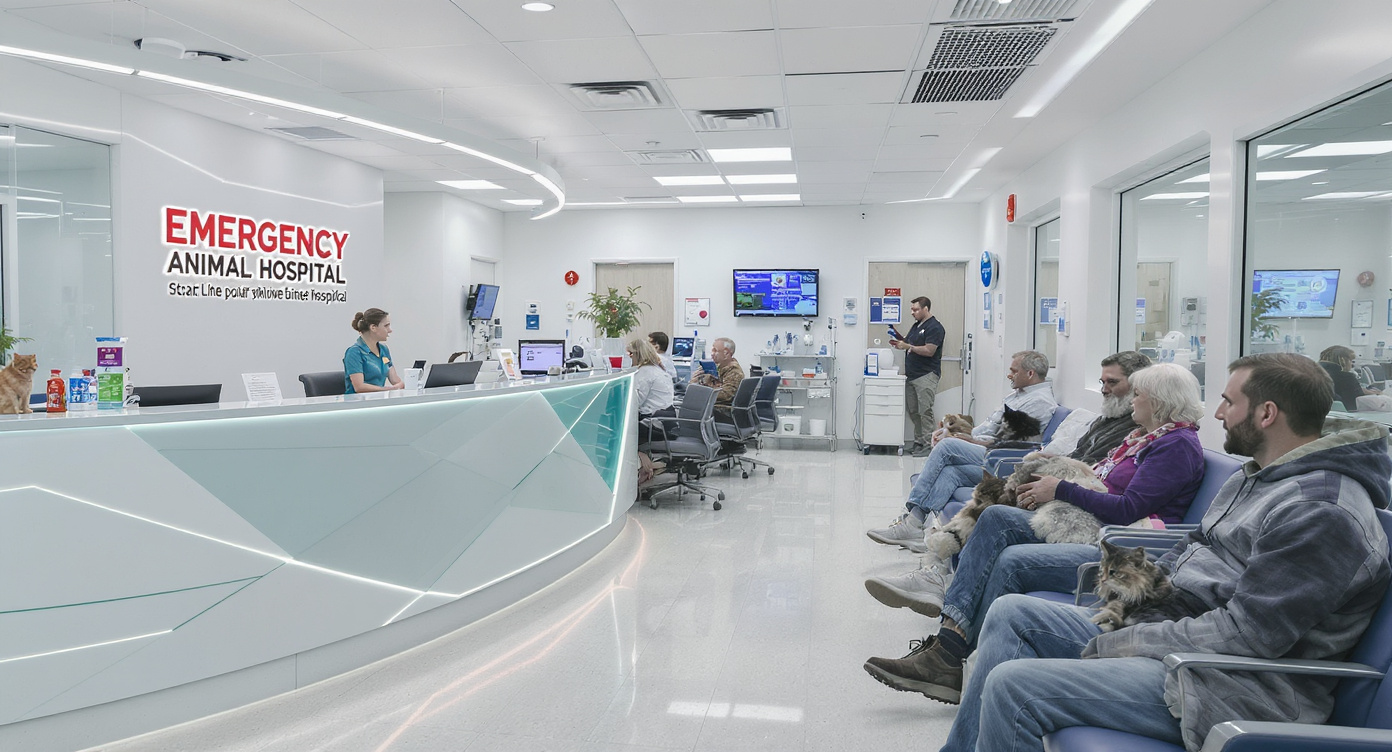
Unlike a regular vet where appointments are seen in order, emergency vets use triage — the most critical patients are seen first regardless of arrival time. A dog hit by a car will be seen before a cat with mild vomiting, even if the cat arrived first. This is standard protocol, not a slight.
Bring These Items
- Your pet’s vaccination records (if available)
- List of current medications and dosages
- Any toxins or foreign objects your pet may have ingested (or photos)
- Your regular vet’s contact info
- Pet insurance card or policy number
The Intake Process
You’ll complete a short intake form and a technician will assess your pet’s vitals. If your pet is stable, you may wait 1–3 hours in the lobby depending on how busy the hospital is. If critical, your pet goes straight to the back.
After Treatment
Emergency vets will stabilize your pet and provide a discharge summary for your regular vet. Follow-up care (rechecks, suture removal, medication management) should be handled by your primary veterinarian unless further emergency care is needed.
How to Prepare Before an Emergency Happens
The worst time to research emergency vets is at 2am with a sick pet. Prepare now so you can act fast when it matters.
- Save your nearest 24-hour emergency animal hospital’s number in your phone — find options by searching vet clinics on HeiBob
- Keep a pet first aid kit at home: gauze, hydrogen peroxide (only for inducing vomiting if directed by a vet), tweezers, saline solution, emergency blanket
- Know the ASPCA Animal Poison Control number: (888) 426-4435 (available 24/7, $95 consultation fee)
- Get pet insurance before you need it — pre-existing conditions aren’t covered, so sign up while your pet is healthy
- Ask your regular vet which emergency hospital they recommend — many have preferred partners they coordinate with
- Know your pet’s baseline: normal gum colour (pink), resting heart rate (dogs: 60–140 bpm; cats: 140–220 bpm), resting breathing rate (15–30 breaths/min)
Frequently Asked Questions About Emergency Vet vs Regular Vet
When should I go to an emergency vet instead of waiting for my regular vet?
How much does an emergency vet visit cost compared to a regular vet?
Is it okay to call my regular vet first before going to an emergency animal hospital?
What’s the difference between an emergency vet and an urgent care vet?
Can I use pet insurance at an emergency vet?
What should I do if I can’t afford an emergency vet visit?
📖 More Pet Care Guides
Best Veterinary Clinics in Phoenix, AZ (2026)
Looking for the best veterinary clinics in Phoenix, AZ? Compare top animal hospitals, 2026 pricing…
How to Choose a Dog Trainer: Complete Guide (2026)
Learn how to choose the right dog trainer in 2026. Compare certifications, training methods, costs…
Best Pet Stores in Houston, TX (2026)
Looking for the best pet store in Houston? Discover top-rated shops for pet supplies, exotic animals…
Find Emergency Vet Services Near You
Don’t wait until an emergency strikes. Find and bookmark the nearest emergency animal hospital in your area now — before you need it.
Browse Vet Clinics on HeiBob →



Leave a Reply
You must be logged in to post a comment.