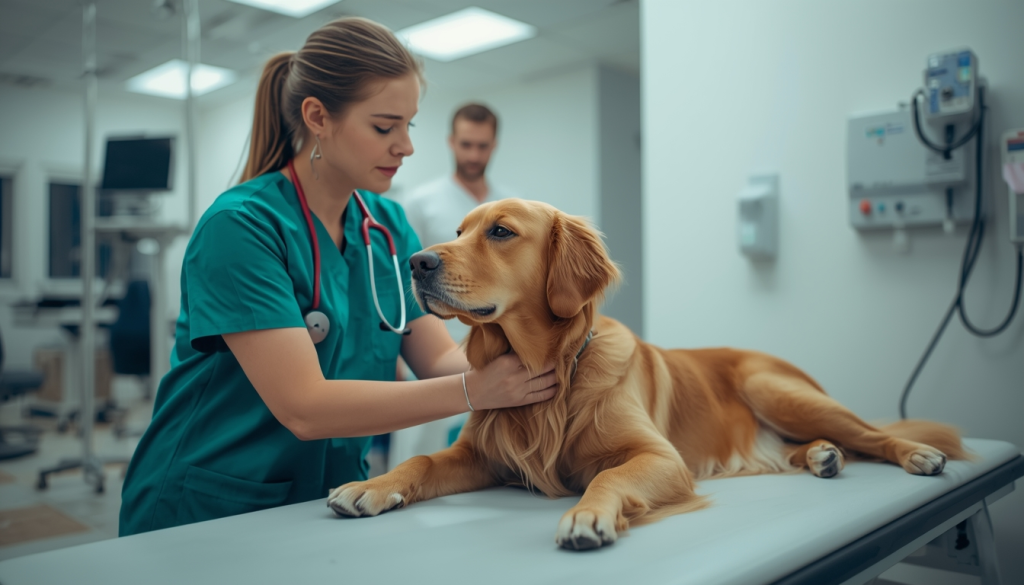
Emergency Vet vs Regular Vet: When to Go Where in 2026
Knowing whether to rush to an emergency animal hospital or wait for your regular vet could save your pet’s life — and your wallet. Emergency vets are open 24/7 and handle life-threatening crises, but visits cost 2–5× more than routine care. This guide breaks down exactly which symptoms require the ER, which can wait, and what to expect at every price point in 2026.
This guide is for informational purposes. Always contact a veterinarian directly if you are unsure about your pet’s condition — when in doubt, call an emergency vet clinic for guidance.
- Emergency Vet vs Regular Vet: Key Differences
- Signs You Need an Emergency Vet Right Now
- Symptoms That Can Wait for Your Regular Vet
- The Third Option: Urgent Care Vet Clinics
- Emergency Vet Costs vs Regular Vet Costs in 2026
- What to Expect at an Emergency Animal Hospital
- How to Prepare Before an Emergency Happens
- Frequently Asked Questions
Emergency Vet vs Regular Vet: Key Differences
Regular veterinary clinics and emergency animal hospitals serve different purposes, operate on different schedules, and are staffed by different types of specialists. Understanding these differences helps you make the right call when time matters most.
Regular (primary care) vets handle wellness exams, vaccinations, preventive care, chronic disease management, minor injuries, and non-urgent illnesses. They typically operate Monday–Friday during business hours (some offer Saturday hours), and you book appointments in advance. Your regular vet knows your pet’s history, which is a significant advantage for ongoing care.
Emergency animal hospitals are open 24 hours a day, 7 days a week, 365 days a year — including nights, weekends, and holidays. They are staffed by emergency veterinarians who specialize in acute, life-threatening conditions. They have on-site diagnostic equipment (X-ray, ultrasound, MRI, CT), blood analyzers, oxygen support, ICU units, and surgical suites capable of immediate intervention.
| Factor | Regular Vet | Emergency Vet |
|---|---|---|
| Hours | Business hours only (Mon–Sat) | 24/7/365 |
| Appointment needed? | Usually yes | No — walk-in |
| Best for | Wellness, chronic conditions, non-urgent illness | Life-threatening emergencies, trauma, poisoning |
| Average exam cost | $50–$100 | $100–$300+ |
| On-site diagnostics | Basic bloodwork, X-ray | Full imaging (MRI, CT, ultrasound), ICU |
| Knows your pet’s history? | Yes | No — you provide context |
Sources: MedVet Emergency Veterinary Care; BluePearl Pet Hospital
Need to find a vet near you? Browse veterinary clinics and emergency animal hospitals on HeiBob — our directory covers providers across the US.
Signs You Need an Emergency Vet Right Now
The following symptoms are always emergencies. Do not wait to call your regular vet — go to the nearest 24-hour animal hospital immediately.
- 🚨 Difficulty breathing or labored breathing — open-mouth breathing in cats, blue/grey/white gums, gasping, or choking. This is the most urgent sign of all.
- 🚨 Collapse or inability to stand — sudden loss of coordination, paralysis, or complete collapse, especially if accompanied by pale or white gums.
- 🚨 Seizures lasting more than 2 minutes or cluster seizures — more than two seizures within 24 hours. Brain damage risk increases with prolonged seizure activity.
- 🚨 Suspected poisoning — common toxins include xylitol (in gum and peanut butter), grapes/raisins, chocolate, rat poison, human medications (ibuprofen, acetaminophen), lilies (cats), and antifreeze. Do not wait for symptoms to appear — call ASPCA Poison Control or go immediately.
- 🚨 Uncontrolled bleeding — any wound that does not stop bleeding within 5 minutes of direct pressure.
- 🚨 Trauma or major injury — hit by a car, fall from height, attacked by another animal. Internal injuries may not be visible.
- 🚨 Distended abdomen with retching — especially in large-breed dogs, this may be GDV (bloat/torsion), which is fatal without immediate surgery.
- 🚨 Inability to urinate, especially in male cats — a blocked urethra is fatal within 24–48 hours if untreated.
- 🚨 Eye injuries or sudden vision loss — eye injuries can deteriorate rapidly; loss of vision in one or both eyes requires immediate evaluation.
- 🚨 Loss of consciousness or unresponsiveness — including severe lethargy where the pet cannot be roused.
- 🚨 Severe pain — vocalizing, inability to get comfortable, guarding a body part, or extreme aggression when touched.
- 🚨 Suspected broken bones — do not move the animal unnecessarily; support and transport carefully.
Symptoms That Can Usually Wait for Your Regular Vet
Not every health concern requires a midnight dash to the emergency animal hospital. These conditions are worth monitoring and scheduling with your regular vet — ideally within 24–48 hours — as long as your pet remains alert, hydrated, and not in obvious distress:
- Single vomiting or diarrhea episode — if your pet vomited once or had one loose stool but is still eating, drinking, and acting normally, monitor at home and schedule a regular vet visit if it recurs.
- Mild limping without obvious injury — if your pet is putting some weight on the limb and there is no severe swelling or bone deformity, a same-week appointment is usually appropriate.
- Minor cuts and scrapes — small wounds that have stopped bleeding and show no signs of deep puncture or infection can be cleaned at home and seen during regular hours.
- Ear scratching or head shaking — likely an ear infection, which is uncomfortable but rarely an emergency.
- Mild skin issues — itching, small bumps, minor hair loss, or hot spots without significant pain or spreading infection.
- Occasional coughing or sneezing — without other symptoms (labored breathing, discharge, lethargy), this can wait for a scheduled visit.
- Appetite changes for less than 24 hours — skipping one meal in an otherwise healthy, alert pet is worth monitoring but not emergency-level.
- Known chronic conditions flaring mildly — if your pet has a managed condition (allergies, arthritis) and symptoms are mild and consistent with past flare-ups, call your regular vet during business hours.
When in doubt, call. Most emergency animal hospitals have phone triage lines. A quick call can help you determine whether to come in or monitor at home.
The Third Option: Urgent Care Vet Clinics
There is a growing middle ground between regular vet appointments and full emergency animal hospitals: urgent care veterinary clinics. Think of these like urgent care for humans — open extended hours, walk-in friendly, equipped for same-day illness and injury, but not set up for major surgery or overnight ICU care.
Chains like UrgentVet, VetCor, and independently-owned urgent care clinics are expanding rapidly in US cities. They typically handle:
- Vomiting and diarrhea that needs treatment (IV fluids, anti-nausea medications)
- Minor lacerations requiring stitches
- Urinary tract infections
- Ear infections and eye infections
- Allergic reactions (mild)
- Limping and sprains
| Care Type | Typical Hours | Exam Cost | Best For |
|---|---|---|---|
| Regular Vet | Mon–Fri, 8am–6pm | $50–$100 | Wellness, chronic conditions |
| Urgent Care Vet | Mon–Sun, 8am–10pm | $100–$200 | Non-life-threatening illness/injury |
| Emergency Animal Hospital | 24/7/365 | $150–$300+ | Life-threatening emergencies |
Sources: UrgentVet.com; vetcostcalc.com Average Urgent Care Costs 2026
If it’s 8pm on a Saturday and your dog has been vomiting for 6 hours but is still alert and drinking water, an urgent care clinic is often the right call — faster than the ER and significantly less expensive than a full emergency visit.
Emergency Vet Costs vs Regular Vet Costs in 2026
One of the biggest factors in choosing where to take your pet is cost. Emergency care is significantly more expensive than regular vet care for several reasons: 24/7 staffing, advanced equipment, specialized training, and immediate availability. Here is a full breakdown of what to expect in 2026:
| Service / Procedure | Regular Vet Cost | Emergency Vet Cost | Notes |
|---|---|---|---|
| Exam / Consultation | $50–$100 | $100–$300 | After-hours adds 50–100% |
| Blood Panel / CBC | $80–$200 | $150–$400 | Stat/rush processing at ER |
| X-rays | $150–$350 | $200–$600 | Per series of views |
| IV Fluids (per day) | $100–$250 | $200–$500 | Includes administration and monitoring |
| Emergency surgery | N/A (refer out) | $2,000–$8,000+ | GDV bloat, intestinal obstruction, trauma |
| Poisoning treatment | N/A (refer out) | $500–$5,000+ | Depends on toxin and timing |
| Overnight ICU stay | N/A | $800–$2,500/night | Monitoring, nursing care included |
Sources: CareCredit Emergency Vet Cost Guide 2026; vetcostcalc.com Emergency Costs 2026; MetLife Pet Insurance Emergency Vet Cost 2026
The bottom line: A basic emergency visit (exam + blood panel + fluids) commonly totals $800–$1,500. Serious cases involving surgery, ICU stays, or prolonged treatment frequently reach $3,000–$8,000+. Pet insurance can significantly reduce out-of-pocket costs — more on that below.
How to Pay for Emergency Vet Bills
- Pet insurance — the most effective way to offset emergency costs if enrolled before the emergency occurs. Most policies reimburse 70–90% of covered costs after the deductible.
- CareCredit — a healthcare financing card accepted at many vet clinics. Offers 0% promotional periods on qualifying purchases.
- ScratchPay — a pet-specific financing option offered through many veterinary practices.
- Payment plans — some clinics offer in-house payment plans; always ask when you arrive.
- RedRover Relief — a non-profit that provides emergency financial assistance for pets in need.
Looking for a vet clinic in your area? Search veterinary clinics near you on HeiBob — filter by city, specialty, and availability.
What to Expect at an Emergency Animal Hospital
If you’ve never been to a 24-hour animal hospital before, knowing what to expect can reduce stress when every second counts.
Triage First
Just like a human emergency room, emergency animal hospitals use triage. When you arrive, a technician will assess your pet’s condition and assign a priority level. Life-threatening cases (difficulty breathing, cardiac arrest, severe trauma) are seen immediately. Less critical cases may wait while more urgent patients are treated — this is normal and means the system is working as intended.
What to Bring
- Any medications your pet is currently taking
- Your regular vet’s contact information (they can often send records after hours)
- The substance your pet ingested, if poisoning is suspected (bring the packaging)
- A form of payment — emergency hospitals typically require a deposit or payment arrangement before initiating care
Estimate Before Treatment
Emergency hospitals are required in most states to provide a written treatment estimate before beginning non-emergency procedures. You have the right to review costs, ask questions, and make decisions about the level of care. Don’t be afraid to ask what the minimum necessary care is if you are facing financial constraints.
After the Emergency Visit
Emergency hospitals are not meant for ongoing care — they stabilize your pet and hand off care to your regular vet. After an emergency visit, follow up with your primary care vet within 24–48 hours for continued treatment, medication adjustments, and recovery monitoring.
How to Prepare Before an Emergency Happens
The best time to prepare for a pet emergency is before one occurs. Here is what to do now, while your pet is healthy:
- Find your nearest 24-hour emergency animal hospital and save the address in your phone. Don’t search for it in the middle of a crisis.
- Save the ASPCA Animal Poison Control Center number: (888) 426-4435. Available 24/7. There is a $95 consultation fee, but it can save your pet’s life.
- Know your pet’s baseline — normal heart rate, respiratory rate, gum color, and typical behavior. You’ll notice changes faster if you know what’s normal.
- Consider pet insurance — enroll while your pet is young and healthy. Pre-existing conditions are typically excluded. Compare plans before you need one.
- Keep a pet first aid kit — gauze, hydrogen peroxide (for inducing vomiting, only if instructed by a vet), sterile saline, digital thermometer, and your vet’s after-hours number.
- Know your regular vet’s after-hours policy — many practices have an emergency line or a relationship with a nearby 24-hour hospital they can refer you to.
Find a trusted primary care vet near you: Browse veterinary clinics on HeiBob by city and specialty.
Frequently Asked Questions About Emergency Vet vs Regular Vet
What is the difference between an emergency vet and a regular vet?
A regular vet provides scheduled, preventive, and non-urgent care during business hours. An emergency vet operates 24/7/365 and specializes in life-threatening conditions, trauma, poisoning, and acute illness requiring immediate intervention. Emergency animal hospitals have advanced equipment (MRI, CT, ICU units) and surgical capabilities that most regular clinics do not. Emergency vets typically cost 2–5× more than regular vet visits.
How much does an emergency vet visit cost in 2026?
In 2026, an emergency vet exam costs $100–$300 for the consultation alone. A basic emergency visit including the exam, blood panel, and IV fluids typically totals $800–$1,500. Serious cases involving surgery, poisoning treatment, or multi-day ICU stays can reach $3,000–$8,000 or more. After-hours visits (nights, weekends, holidays) cost 50–100% more than daytime emergency care at the same facility.
When should I take my pet to an emergency vet instead of waiting?
Take your pet to an emergency vet immediately if they are having difficulty breathing, have collapsed or cannot stand, are having seizures, show signs of poisoning, are bleeding uncontrollably, have a distended abdomen with retching (possible bloat), cannot urinate (especially male cats), or have suffered major trauma like being hit by a vehicle. When in doubt, call your nearest emergency animal hospital — most have phone triage lines to help you decide.
Can I call my regular vet in an emergency?
During business hours, yes — call your regular vet first for guidance on whether your pet needs emergency care. Many practices can fit in same-day urgent appointments for established patients. Outside of business hours, your regular vet’s voicemail will often provide the number for a nearby 24-hour emergency hospital. In true life-threatening emergencies, skip the call and go directly to the nearest emergency animal hospital.
Is pet insurance worth it for emergency vet bills?
Pet insurance can significantly reduce the financial impact of emergency vet care. Most comprehensive plans reimburse 70–90% of covered emergency costs after your deductible, which can save thousands of dollars in a major emergency. The key is enrolling before a health issue occurs — pre-existing conditions are typically excluded. Monthly premiums range from $25–$100+ depending on species, breed, age, and coverage level.
What is an urgent care vet clinic and is it cheaper than an emergency vet?
Urgent care vet clinics are a middle option between regular vet appointments and full emergency animal hospitals. They are typically open extended hours (often until 10pm daily), accept walk-ins, and handle non-life-threatening conditions like vomiting, minor injuries, UTIs, and ear infections. Exam fees run $100–$200, making them less expensive than a full emergency hospital visit ($150–$300+). They are not equipped for major surgery or 24-hour ICU care.
What should I bring to an emergency vet visit?
Bring any medications your pet takes regularly, your regular vet’s contact information, and if poisoning is suspected, the packaging of the substance ingested. Most emergency hospitals require a deposit or payment arrangement before initiating care, so bring a form of payment. If your pet is injured, support them carefully during transport to avoid worsening the injury — a laundry basket lined with a blanket works well for cats.
📖 More Pet Care Guides
How to Choose a Dog Trainer: Complete Guide for 2026
Not sure how to choose a dog trainer? This complete 2026 guide covers certifications (CPDT-KA, KPA C…
Pet Boarding vs Pet Sitting: Which Is Better for Your Pet in 2026?
Compare pet boarding vs pet sitting in 2026: full cost breakdown, pros and cons, and a decision guid…
How Much Does Dog Grooming Cost in 2026? (Complete Price Guide)
Dog grooming costs $40–$200+ per session in 2026, with a national average of $85–$100. This complete…
Find a Trusted Vet Near You
HeiBob lists veterinary clinics and emergency animal hospitals across the US. Search by city, filter by specialty, and connect with providers in your area before an emergency happens.
Browse Vet Clinics on HeiBob →