
Pet Transport: Everything You Need to Know in 2026
Pet transport moves your dog, cat, or other animal safely from one location to another using specialized vehicles, airline arrangements, or door-to-door ground services. In 2026, ground pet transport costs $0.50–$1.60 per mile (most owners pay $300–$800 for trips under 500 miles), while in-cabin air travel starts at $95–$150 for small pets. Whether you’re relocating, adopting from out of state, or planning a long-distance move, this guide covers every option, cost, and checklist you need.
This guide is for informational purposes only. Always contact service providers and airlines directly for current pricing, policies, and availability before booking.
What Is Pet Transport?
Pet transport refers to any professional service that moves animals — dogs, cats, birds, reptiles, or small mammals — from one location to another. It covers everything from a simple local taxi ride to a complex international relocation involving health certificates, import permits, and temperature-controlled crates.
Pet transport has grown significantly in recent years. According to the American Pet Products Association, around 94 million American households own pets, and millions of them need professional transport each year for reasons including:
- Long-distance moves or relocations — moving to a new city or state
- Out-of-state adoptions — picking up a rescue or breeder dog from another state
- Military PCS moves — service members relocating with their animals
- International travel — bringing pets on overseas assignments or vacations
- Snowbirds and seasonal travel — regular seasonal relocations between states
- Medical or specialty transport — moving a pet to a specialist vet or treatment center
Pet transport services range from solo private drivers and dedicated pet transport companies to airline cargo programs and professional pet relocation brokers. Finding the right option depends on your pet’s size, your destination, your timeline, and your budget.
You can browse certified pet transport providers in your area at HeiBob’s Pet Transport Listings.
Types of Pet Transport Services
There are four main ways to transport a pet professionally. Each has trade-offs in cost, speed, stress level for the animal, and suitability depending on pet size.
1. Ground Transport (Private or Shared)
Ground transport is the most common and often the most affordable option for domestic moves. A trained driver picks up your pet and drives them to the destination, either in a dedicated van or alongside other animals on a shared-ride route.
- Private/solo transport: Your pet travels alone with the driver — faster, more attentive, but pricier
- Shared transport: Your pet shares the vehicle with others — slower (multiple stops) but significantly cheaper
- Best for: pets of any size, cross-country moves, anxious animals who do poorly with air travel
2. In-Cabin Air Travel
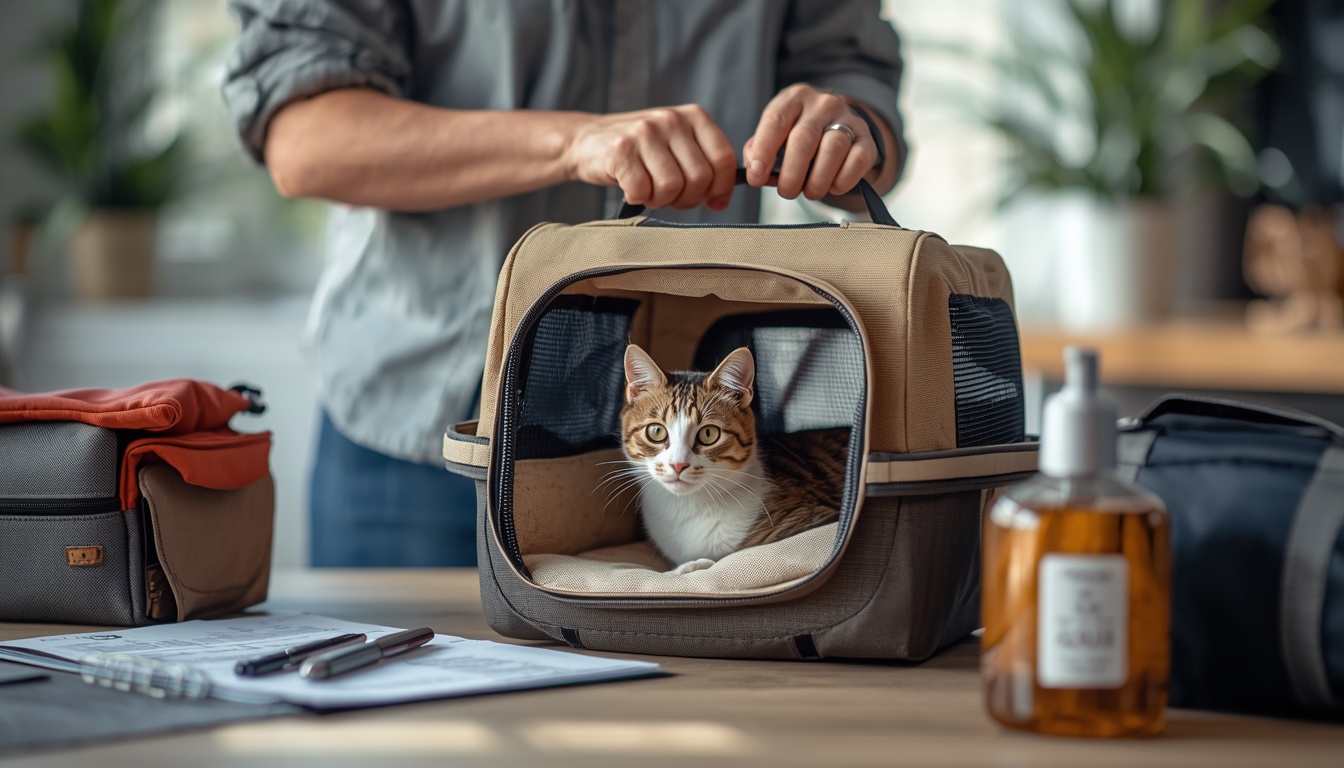
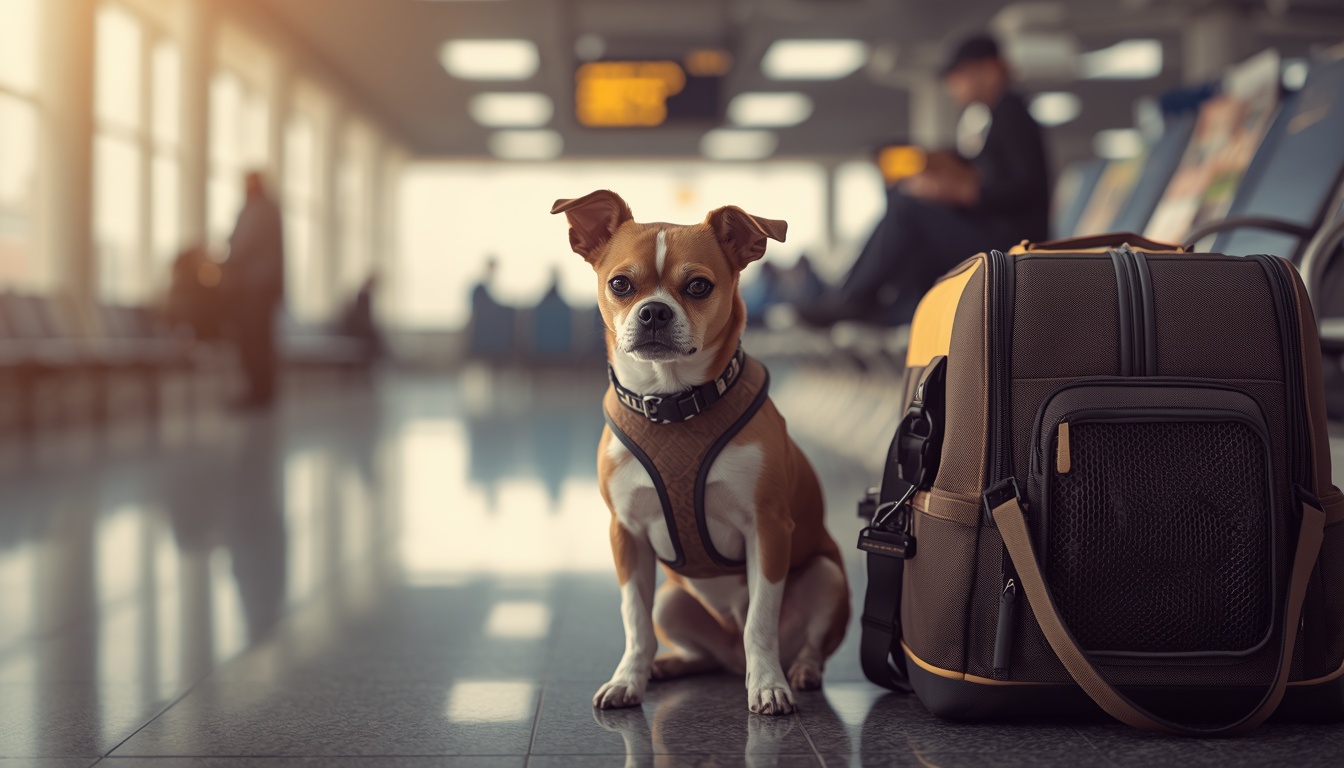
Small pets (typically under 15–20 lbs, including carrier) can ride in the cabin under the seat on most US airlines. This is the fastest option for long distances and keeps your pet visible to you throughout the flight.
- Airline fees: $95–$150 each way (United, Delta, Southwest, Alaska)
- Pet must fit in an airline-approved soft-sided carrier
- Best for: small dogs and cats on domestic flights
3. Cargo Air Travel (Checked or Manifest)
Larger pets that can’t fit in the cabin must travel as cargo. They are placed in a temperature-controlled cargo hold in an IATA-approved hard crate.
- Fees: $200–$600+ each way domestically; $500–$2,000+ internationally
- Some airlines have breed and temperature restrictions — brachycephalic breeds like bulldogs and pugs are often banned from cargo
- Best for: large dogs and pets on longer moves where ground transport isn’t feasible
4. Pet Relocation Brokers
Full-service pet relocation companies (such as IPATA-member agencies) handle everything: health certificates, crate purchase, airline bookings, import permits, and customs clearance. They’re the most expensive option but essential for complex international moves.
- Cost: $1,000–$5,000+ for international relocations
- Best for: international moves, multi-leg journeys, owners who want a fully managed experience
Pet Transport Costs in 2026
Costs vary significantly by distance, pet size, service type, and season. Here’s a comprehensive breakdown of what to expect in 2026:
| Transport Type | Distance | Typical Cost (2026) | Best For |
|---|---|---|---|
| Local pet taxi | Under 50 miles | $75–$150 | Vet visits, airport drop-off |
| Ground (shared) | 100–500 miles | $300–$600 | Budget-conscious pet owners |
| Ground (private) | 100–500 miles | $500–$1,000 | Anxious pets, solo travel |
| Cross-country ground | NY to LA (~2,800 mi) | $2,000–$3,500 | Large dogs, no-fly pets |
| In-cabin air | Domestic | $95–$150/way + airfare | Small pets under ~20 lbs |
| Cargo air (domestic) | Domestic | $200–$600/way | Large dogs on tight timelines |
| International relocation | International | $1,000–$5,000+ | Overseas moves, expats |
Source: CitizenShipper, PetWorks, TravelReadyPets — pricing ranges updated June 2026. Individual quotes may vary.
Additional Costs to Budget For
- Health certificate (USDA vet): $50–$250 — required for air travel and crossing state/international borders
- Travel crate/carrier: $50–$500 depending on size and IATA certification
- Microchipping: ~$50 (required for most international travel)
- Import permits: Varies by country — $0 to $500+
- Pet travel insurance: $15–$50/month
How to Choose a Safe Pet Transporter
Not all pet transporters are created equal. Here’s what to look for when vetting any service:
Check USDA Licensing
Ground transporters who move animals across state lines commercially must be registered with the USDA APHIS under the Animal Welfare Act. Always ask for their USDA registration number and verify it on the APHIS website before booking.
Verify Insurance
Ask for proof of commercial auto insurance and a pet liability policy. Accidents happen — you want to know your pet and any damages are properly covered.
Read Verified Reviews
Check Google Reviews, Yelp, and platform ratings (CitizenShipper, uShip). Look specifically for reviews mentioning timely delivery, regular photo updates, and how the driver handled unexpected situations.
Ask the Right Questions Before Booking
- How many rest/potty stops will my pet get per day?
- Will my pet ride alone or with other animals?
- How often will you send photo/video updates?
- What’s your contingency plan if the vehicle breaks down or my pet gets sick?
- Do you have experience with my pet’s breed or species?
Red Flags to Avoid
- No verifiable reviews or brand-new profile
- Prices dramatically lower than all other quotes
- Refuses to provide USDA number or insurance documentation
- No clear policy on updates during transit
- Demands full payment upfront with no refund policy
Browse trusted pet transport providers at HeiBob’s Pet Transport Directory.
What to Prepare Before Transport Day
Preparation makes a big difference in how smoothly your pet’s journey goes. Follow this pre-transport checklist:
4–6 Weeks Before
- Schedule a vet wellness exam — health certificate typically valid for 10 days (domestic) or per destination country requirements
- Ensure vaccinations are up to date (rabies, distemper, bordetella)
- Get your pet microchipped if not already done
- Research import requirements if crossing international borders
- Purchase an IATA-approved crate and begin crate training
1–2 Weeks Before
- Book and confirm your chosen transport service
- Obtain health certificate from a USDA-accredited vet
- Pack a travel kit: food, water, treats, favorite toy, medications, vet records
- Label the crate with your contact info, destination address, and any medical notes
- Take recent photos of your pet for ID purposes
Day of Transport
- Fast your pet for 3–4 hours to reduce motion sickness risk
- Exercise your pet beforehand to help them settle during travel
- Attach a current ID tag to collar with your cell number
- Include a small item with your scent in the crate (worn t-shirt or blanket)
- Confirm pickup time and the driver’s direct contact number
Tips for a Stress-Free Pet Journey
Even well-prepared pets experience some travel anxiety. These strategies help minimize stress:
- Crate train early: A crate that feels like home dramatically reduces travel stress. Start weeks before the move.
- Use familiar scents: Your worn t-shirt in the crate provides comfort through your scent during transit.
- Skip sedation without vet guidance: Sedatives can be dangerous at altitude or in cargo holds. Only use medication specifically prescribed by your vet for travel.
- Choose non-stop flights: Every layover adds stress and transfer risk. Non-stop routes are always safer for pets.
- Request photo updates: Many ground transporters offer regular check-ins during the journey — confirm this before booking.
- Pack familiar food: Switching food during travel causes digestive stress. Bring enough of your pet’s regular diet for the entire journey.
- Travel in mild weather: Airlines restrict cargo travel when temperatures exceed 85°F. Ground transport is also less safe in extreme heat without climate control — always verify.
Frequently Asked Questions About Pet Transport
How much does pet transport cost in 2026?
What is the safest way to transport a pet long distance?
Do I need a health certificate to transport my pet?
Can I ship my cat or dog by itself on an airplane?
Which airlines allow pets in cabin in 2026?
How long does ground pet transport take?
How do I find a reputable pet transport company?
📖 More Pet Care Guides
Best Pet Boarding in Scottsdale, AZ (2026)
Find the best pet boarding in Scottsdale, AZ in 2026. Compare top kennels, luxury pet resorts…
Best Pet Shops in Houston, TX (2026)
Top local pet stores in Houston reviewed — from boutique shops to big-box chains with prices…
Best Dog Trainers in San Diego, CA (2026)
Top picks, prices and what to expect from San Diego’s best dog training services in 2026…
Ready to Find a Pet Transport Service?
Browse verified pet transport providers in your area — compare reviews, services, and pricing all in one place.



Leave a Reply
You must be logged in to post a comment.