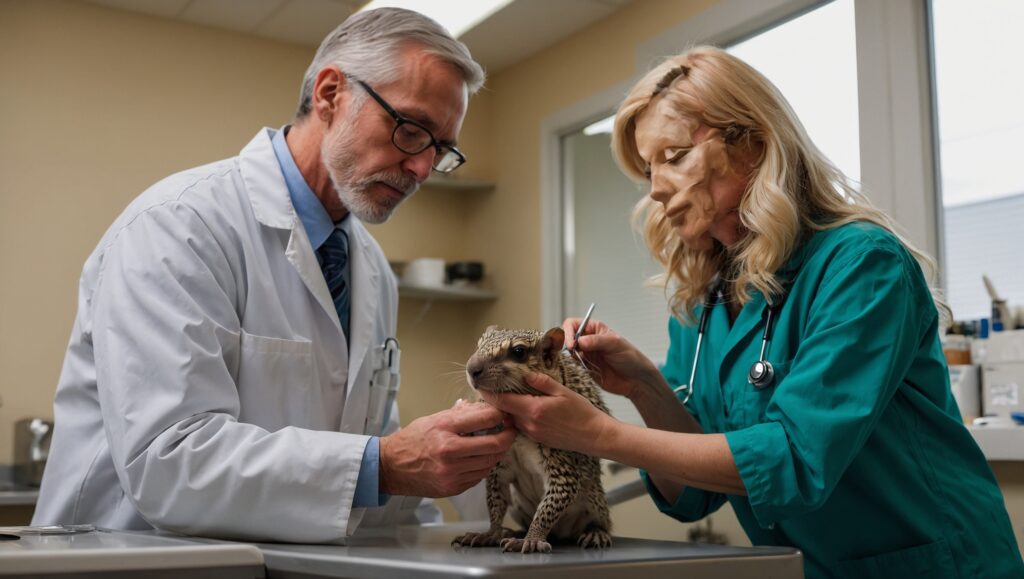
Exotic pet vet visits in Seattle, WA typically run $95–$145 for a wellness exam, with sick visits starting around $100–$175 before diagnostics. Seattle is actually well-served for exotic animal medicine — the metro area has several board-certified specialists and the only 24-hour exotic-exclusive emergency hospital in Washington state. Here’s where to find them, what they treat, and what to budget.
Why Exotic Pets Need Specialist Vets
If you have a parrot, rabbit, bearded dragon, ferret, or guinea pig, you already know that standard dog-and-cat vets often can’t help you. Most general practice veterinarians receive only a few hours of training in exotic species during their entire education. An exotic pet showing subtle illness signs — a quieter parrot, a rabbit that stops eating — can deteriorate rapidly if treated by someone without the right knowledge.
The consequences are real. Rabbits, for example, cannot be given certain common antibiotics (like amoxicillin) that are safe for dogs — the result can be fatal enteritis. Reptiles require a vet who understands their specific thermal requirements and how disease presents differently in ectotherms. Bird anesthesia requires specialist training because avian cardiovascular systems are extremely sensitive.
The short version: exotic pets need vets who actually specialize in them. The good news for Seattle owners is that you have genuine options — including two board-certified specialists within 30 minutes of downtown.
If you’re wondering how exotic vet costs stack up against general vet care nationally, our 2026 guide to vet care costs breaks down exam fees, diagnostics, and procedures across pet types.
Exotic Vet Costs in Seattle (2026 Prices)
Exotic vet care costs more than standard dog-and-cat visits. Clinics that specialize in exotics invest in specialized equipment (exotic-safe anesthesia machines, avian-scale blood analysis, reptile-specific imaging) and carry lower patient volume — both of which push prices up.
The table below reflects realistic Seattle-area pricing based on clinic benchmarks and current national data for comparable exotic specialty practices (April 2026). Individual clinics may vary; always confirm by phone before your visit.
| Service | Seattle Estimate |
|---|---|
| Wellness / annual exam | $95–$145 |
| Sick / medical exam | $100–$175 |
| Brief / recheck visit | $65–$95 |
| Emergency exam (daytime) | $185–$225 |
| Emergency exam (after hours) | $200–$275 (exam + emergency fee) |
| Blood panel (CBC + chemistry) | $150–$325 |
| Radiographs (X-rays) | $200–$450 (2–4 views) |
| Fecal parasitology | $45–$85 |
| Ferret distemper vaccine | $25–$45 |
| Rabbit spay / neuter | $200–$450 |
| Avian wing/nail trim | $25–$55 |
Budget tip: First-exam promotions exist. Aurora Veterinary Hospital on Aurora Ave N is currently offering $25 for a first exotic pet exam — a significant discount if you’re establishing care for a new pet.
Annual wellness visits for exotic pets typically run higher than dogs or cats because they include species-specific baseline labs that help detect hidden illness early (exotic pets are extremely good at masking symptoms). Building that baseline in year one saves money long-term.
Seattle-Area Exotic Vet Clinics — Profiles
Bird & Exotic Clinic of Seattle (BECS)
10501 Aurora Ave N, Seattle, WA 98133 | (206) 783-4538 | birdandexotic.com
Established 1997 | 102 Yelp reviews (Feb 2026)
BECS is the Seattle-native option — dog and cat-free, which matters more than it sounds. A rabbit or bird doesn’t need the stress of a waiting room full of dogs before their exam. The clinic is specifically set up for low-stress exotic handling.
Dr. Tracy Bennett and Dr. Daniel Lejnieks are both board-certified in exotic animal medicine with close to 30 years of experience each. That level of credential is genuinely rare — most exotic-friendly general practices have one staff vet with extra training, not two ABVP-certified specialists.
Species treated: birds (all types), rabbits, guinea pigs, ferrets, hedgehogs, lizards, turtles, tortoises, snakes, amphibians, and other small companion exotics.
Best for: Birds (parrots, cockatiels, finches), rabbits, and guinea pigs who do well with a calm, cat/dog-free environment. Owners consistently praise the handling techniques for nervous animals.
Center for Bird and Exotic Animal Medicine (CBEAM)
11401 NE 195th St, Bothell, WA 98011 | (425) 486-9000 | theexoticvet.com
Established 2006 | 247 Yelp reviews (March 2026) | Open 24/7
CBEAM is the powerhouse option for the Seattle metro — it’s the only exotic-exclusive hospital in Washington that offers 24-hour emergency care. If your ferret has a seizure at 2am or your parrot stops breathing, CBEAM is where you’re going.
Located in Bothell, about 10 miles north of downtown Seattle (roughly 20-25 minutes without traffic), it’s a reasonable drive even for city residents. The clinic accepts both scheduled appointments 7 days a week and drop-in emergency cases at any hour.
Species treated: birds (all species), small mammals (rabbits, ferrets, guinea pigs, chinchillas, rats, hamsters, hedgehogs, sugar gliders), reptiles, and amphibians.
Best for: Anyone who wants the security of 24-hour emergency backup. Also useful if you have a particularly complex case — the review count and exclusive exotic focus suggest a high-volume specialist practice with deep case experience.
Evergreen Avian and Exotic Animal Hospital
Kirkland: (425) 821-6165 | University Place: (253) 564-4425 | evergreenae.com
Evergreen operates two locations — one in Kirkland on Seattle’s Eastside, one in University Place near Tacoma — covering a wide geographic range for King and Pierce County pet owners. Services include annual wellness exams, emergency care, surgical procedures, and they also offer boarding for exotic pets.
Species treated: parrots, poultry, passerines, ferrets, rabbits, small mammals, lizards, snakes, and chelonians (turtles and tortoises).
Best for: Eastside residents (Kirkland, Bellevue, Redmond) or South Sound pet owners who want to avoid the drive to Seattle or Bothell. The boarding option is also useful — finding a vet who can also board your exotic pet simplifies care when you travel.
Aurora Veterinary Hospital
8821 Aurora Ave N, Seattle, WA 98103 | (206) 525-6666 | auroraveterinaryhospital.com
Mon–Fri 8am–6pm
Aurora Vet is a general practice that has invested in exotic pet training and equipment. It’s worth knowing about for two reasons: location (north Seattle, easy to reach) and price. The clinic is currently running a $25 first-exam promotion for new exotic patients — substantially below the usual $95–$145 range. If you’ve never established exotic vet care and want to start without a large upfront cost, this is a practical entry point.
Species treated: rabbits, guinea pigs, gerbils, hamsters, mice, rats, chinchillas, reptiles (bearded dragons, geckos, snakes), sugar gliders, hedgehogs, chickens, ducks, ferrets, turtles, and tortoises.
Best for: Seattle residents establishing first-time exotic pet care, multi-pet households where you want one location for both standard pets and exotics, and budget-conscious owners who don’t currently have a complex medical case.
What to Expect at Your First Exotic Vet Appointment
Exotic vet appointments run differently from standard pet visits. Here’s what to prepare:
Bring a fresh fecal sample. Most exotic vets will want to run a fecal parasite check at the first wellness visit. Collect a fresh sample (within 4-6 hours) in a clean container. Don’t refrigerate bird droppings — room temperature is fine for a few hours.
Transport matters. For birds: use a travel carrier and cover it with a dark cloth to reduce stress. For reptiles: keep the animal warm during transport (a hand warmer near but not touching the animal). For rabbits: don’t let them overheat — Seattle summers are mild, but a hot car can be dangerous.
Prepare a behavior history. Exotic vets will ask what your pet eats, how much water they drink, their droppings frequency and appearance, and any behavioral changes. Write this down beforehand — subtle changes are often the only early symptom.
Expect a longer appointment. A first wellness exam for an exotic pet often runs 30–45 minutes. The vet needs time to assess the animal’s weight, body condition, feather/scale/coat quality, and overall demeanor — all of which are harder to evaluate quickly in exotic species.
Budget for baseline labs. Many exotic vets recommend a baseline CBC (complete blood count) and chemistry panel at the first wellness exam. The exam itself may be $95–$145 but the full first-visit cost including labs can run $300–$500. Not every pet needs this on day one, but it’s worth asking.
By Species: Birds, Rabbits, Reptiles & Small Mammals
Birds and Parrots
Seattle has genuine avian expertise available — both BECS and CBEAM have board-certified avian specialists. For routine care, establish with a specialist rather than a general vet; avian illness presents subtly and requires trained eyes.
Annual wellness exams for birds ($95–$145) should include weight check, full feather assessment, crop examination, and fecal gram stain (to check for bacterial/fungal overgrowth). New bird wellness exams typically also include Chlamydiosis (psittacosis) testing and PBFD (Beak and Feather Disease) testing for psittacines — expect these to add $75–$150 to the first visit.
Rabbits
Rabbits are deceptively fragile. They need a vet who understands rabbit-safe medications and GI stasis (a common emergency in rabbits that can become fatal within 24–48 hours). Both BECS and CBEAM have rabbit experience; Aurora Veterinary also handles rabbit care regularly.
Annual wellness: $95–$145. Spay/neuter is strongly recommended for rabbits (reduces cancer risk significantly in females); expect $200–$450 at a specialist. Seattle’s Rabbit Haven rescue organization maintains a current vet referral list — worth consulting if you’ve adopted from a rescue and want their vetted recommendations.
Reptiles
Reptiles — bearded dragons, geckos, iguanas, ball pythons, tortoises — need vets experienced with ectotherm physiology. Common presentations include metabolic bone disease (from improper UVB), respiratory infections, and dystocia (egg-binding) in females.
Annual exams for reptiles at Seattle-area exotic clinics run $100–$145. Reptiles are also good candidates for baseline blood work at the first visit since illness can be very difficult to detect until it’s advanced.
Small Mammals: Guinea Pigs, Ferrets, Chinchillas
Guinea pigs are prone to dental disease, respiratory infections, and skin parasites. Ferrets need annual distemper and rabies vaccines ($25–$45 each), and are prone to adrenal disease and insulinoma as they age — surgeries that require an experienced exotic surgeon. Dr. Brent Johnson at Northwest Animal Care Hospital in Everett is specifically noted for ferret adrenal laser surgery if you need a referral-level specialist.
Chinchillas have notoriously sensitive GI tracts and need a vet who understands their specific dietary needs. Annual wellness: $95–$145.
Emergency Exotic Vet Care in Seattle
For exotic pet emergencies in Seattle, your primary option is the Center for Bird and Exotic Animal Medicine (CBEAM) in Bothell — (425) 486-9000 — open 24 hours, 7 days a week. It is the only exotic-exclusive 24-hour emergency facility in Washington state.
Standard emergency veterinary hospitals (VCA, BluePearl, etc.) are not equipped to handle exotic species — they can stabilize a dog or cat in crisis, but a bird in respiratory distress needs an avian specialist, not a general emergency vet.
For after-hours emergencies: call CBEAM immediately. Emergency exam fees run $185–$275 including the emergency surcharge. This is significant cost, but there is no alternative option if your exotic pet is in serious distress.
Know the number before you need it. (425) 486-9000.
If your situation involves a pet you just acquired and you’re not sure whether something is an emergency, our guide on how to find a 24-hour emergency vet includes a helpful triage framework — signs that need immediate care versus signs that can wait for a morning appointment.
Frequently Asked Questions
Do I need a specialist vet for my rabbit, or can a regular vet handle it?
Technically a general vet can see rabbits, but the risk is real: rabbits require rabbit-specific medication knowledge and handling skills. A general vet unfamiliar with rabbit physiology may prescribe antibiotics that are safe for dogs but fatal to rabbits. For rabbits, it’s worth seeking out BECS, CBEAM, or Aurora Veterinary which actively treats rabbits — don’t just take your rabbit to the nearest general practice.
How much does it cost to take a parrot to the vet in Seattle?
A standard wellness exam runs $95–$145. A first-visit new-bird exam including Chlamydiosis and PBFD testing typically runs $250–$400 total once baseline tests are added. Sick visits start at $100–$175 before diagnostics. Avian behavior consultations (60 min) are typically $160+.
Is there a 24-hour exotic vet in Seattle?
Yes — Center for Bird and Exotic Animal Medicine (CBEAM) in Bothell, WA (11401 NE 195th St, 20 minutes north of Seattle) is open 24/7 and is the only exotic-exclusive 24-hour emergency facility in Washington state. Phone: (425) 486-9000.
How often should I take my exotic pet to the vet?
Annual wellness exams are the baseline for most exotic species. Exotic pets age faster than dogs and cats relative to their lifespan, and they hide illness well. For older animals (rabbits and guinea pigs over 4, ferrets over 3, small birds over 8–10), twice-yearly visits are recommended. New pets should be seen within 2–4 weeks of acquisition.
What should I do if my exotic pet seems sick and it’s after hours?
Call CBEAM immediately at (425) 486-9000. Do not wait until morning if you observe: labored breathing, complete refusal to eat (especially in rabbits — 12 hours of not eating is an emergency), seizures, inability to move normally, or a bird sitting on the bottom of its cage. These are acute emergencies in exotic species.
Are there low-cost exotic vet options in Seattle?
Aurora Veterinary Hospital is currently offering a $25 first exam for exotic pets — significantly below standard rates. Washington State University’s Veterinary Teaching Hospital in Pullman also offers exotic pet medicine at reduced rates (it’s about 4 hours from Seattle, but relevant for serious cases requiring specialist workup). For routine nail trims and basic grooming, some avian/exotic-friendly pet shops offer these services at lower cost than a vet visit.
Can I take multiple types of exotic pets to the same vet?
Yes — all of the clinics listed above treat multiple exotic species. BECS and CBEAM both handle birds, small mammals, and reptiles. If you have a mixed exotic household (say, a rabbit, a bearded dragon, and a cockatiel), establishing at a single exotic specialist is more efficient than hunting for three different vets.
Is Seattle a good city for exotic pet owners?
Genuinely yes. Two board-certified exotic animal medicine specialists at BECS, a 24-hour exotic emergency hospital 20 minutes away, and Evergreen Avian’s Eastside location mean Seattle metro owners have better access to exotic medicine than most US cities. What’s harder to find is affordable routine exotic care — the specialist premium is real. If cost is a concern, Aurora Veterinary’s $25 first exam is worth using to establish care and get a realistic picture of ongoing costs for your specific pet.
The Bottom Line
Seattle has what you need for exotic pet care — you just have to know where to look. For birds and rabbits, Bird & Exotic Clinic of Seattle (Aurora Ave N) is the local go-to, with board-certified specialists and a cat/dog-free environment. For 24-hour emergency coverage or complex cases, CBEAM in Bothell is the answer. Eastside residents should bookmark Evergreen Avian in Kirkland. New exotic pet owners looking to establish care affordably: start with Aurora Veterinary’s $25 first-exam offer.
Annual exotic wellness exams run $95–$145 in the Seattle area. Budget an additional $150–$325 for baseline labs if your vet recommends them at the first visit. Emergency visits start around $185–$275 all-in.
The most important thing is to find your exotic vet before you need one urgently. New pet? Book a wellness visit within the first month. It establishes a baseline, catches hidden problems early, and means you have a real relationship with a clinic when something goes wrong at 11pm on a Sunday.
If you just got a new exotic pet and are figuring out the full picture of local care services in Seattle, our new pet owner guide to local services covers what to set up in the first few weeks beyond just the vet.

Leave a Reply