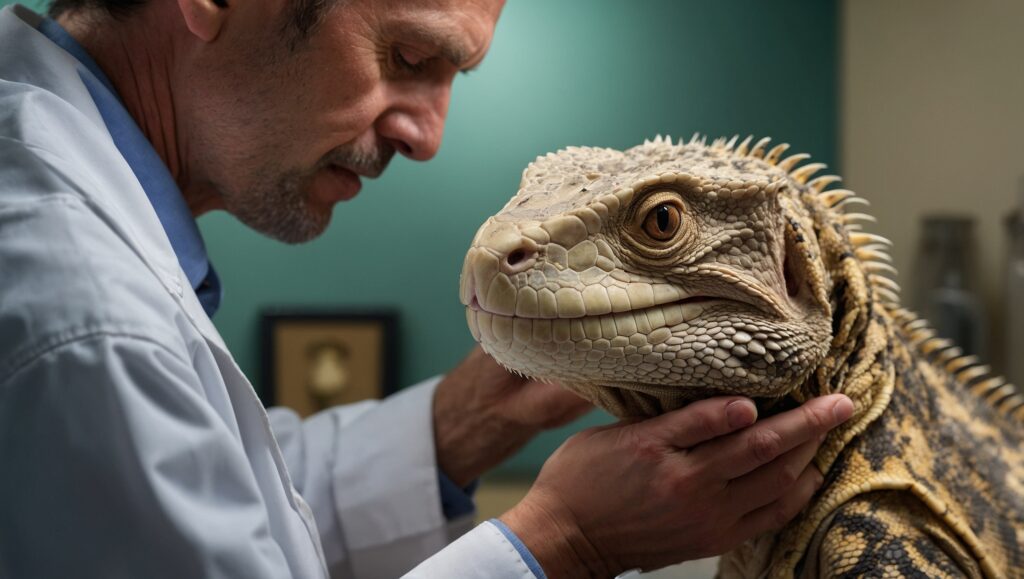
Finding an exotic pet vet in Las Vegas is harder than finding one for a dog or cat — and often more expensive. Reptiles, birds, rabbits, ferrets, and guinea pigs have very different biology than common pets, and not every vet knows how to treat them. This guide explains where to look, what the exams cost, and what to ask before you book.
Why Exotic Pet Vet Care Is Different in Las Vegas
Las Vegas has roughly 2.3 million people in the metro area, but the number of vets who specialize in exotic animals is a fraction of what you’d find for dogs and cats. Demand is high — Nevada consistently ranks in the top 15 states for reptile ownership — but supply is thin. That means longer waits for appointments, higher exam fees, and the need to travel farther than you might expect.
The desert climate also creates specific health risks for exotic pets here. Indoor reptiles kept in air-conditioned homes can develop respiratory issues if temperatures fluctuate too much. Birds can suffer from the dry air. Rabbits are vulnerable to heatstroke in summer. An exotic vet familiar with the Las Vegas environment will factor these conditions into their care recommendations.
One more thing: not all vets who say they treat “small animals” treat exotics. In Nevada, there’s no separate licensing category for exotic animal practice — a general vet license covers all species. Always confirm before making an appointment that the vet has hands-on experience with your specific animal type.
Where to Find Exotic Pet Vets in Las Vegas
Your best starting points in the Las Vegas metro for exotic vet care:
| Clinic | Specialty Focus | Area | Notes |
|---|---|---|---|
| Exotic Animal Hospital of Las Vegas | Reptiles, birds, small mammals | Las Vegas | Dedicated exotic practice; one of few in the region exclusively focused on non-traditional pets |
| Las Vegas Veterinary Specialty Center (LVVSC) | Multi-specialty incl. exotics | Spring Valley / Tropicana area | 24/7 emergency + referral; board-certified specialists |
| VCA West Flamingo Animal Hospital | General + some exotic services | West Las Vegas | Call ahead to confirm exotic vet availability |
| Desert Pines Veterinary Emergency & Referral Center | Emergency; handles exotics | Henderson/East Las Vegas area | After-hours emergency option for exotic pets |
| All Creatures Animal Care Center | Dogs, cats + select exotics | Henderson | Confirm exotic capability by phone before booking |
| Spring Valley Animal Hospital | General + exotic consultations | Spring Valley | Some exotic experience; call to confirm vet availability |
Important note: GeoDirectory listing data for Las Vegas exotic vets is limited in our current database. The table above reflects publicly documented practices; always call to confirm current hours, vet availability, and whether they treat your specific animal before making an appointment. Vet availability changes — especially at multi-vet practices where not every doctor handles exotics.
You can also search the Association of Exotic Mammal Veterinarians (AEMV) and Association of Avian Veterinarians (AAV) member directories, which list board-certified or credentialed exotic vets by zip code. These directories are the most reliable way to find a vet who has formally trained in exotic medicine.
What Does an Exotic Vet Visit Cost in Las Vegas?
Exotic vet visits cost more than routine dog or cat appointments. The extra cost reflects specialized training, the time required to safely handle and examine animals that don’t cooperate the way dogs do, and the lower patient volume that makes it harder for clinics to keep prices down.
Here are current pricing benchmarks for the Las Vegas area, based on national exotic vet pricing data and Nevada-specific cost-of-living adjustments:
| Service | Typical Las Vegas Price | Notes |
|---|---|---|
| New patient exam (reptile) | $85–$175 | Higher if vet is a dedicated exotic specialist |
| New patient exam (bird/avian) | $85–$165 | Avian-specific experience commands a premium |
| New patient exam (rabbit, ferret, guinea pig) | $65–$140 | Small mammals are generally lower cost than reptiles/birds |
| Annual wellness visit (exotic) | $90–$200 | Includes physical exam; lab work billed separately |
| Blood panel (reptile or bird) | $110–$280 | Often recommended annually for adult animals |
| X-ray (exotic pet) | $125–$300 | Sedation may be needed; adds $75–$150 |
| Rabbit spay / neuter | $200–$500 | Higher than dogs/cats due to surgical complexity |
| Ferret spay / neuter | $150–$350 | Most ferrets sold in the US are already altered |
| Emergency exotic exam (after hours) | $175–$450+ | Emergency surcharges apply at all hours at specialty centers |
| Hospitalization (per night) | $100–$250 | Higher at specialty/emergency centers |
These are benchmarks, not quotes. Actual prices vary by clinic, by the complexity of your animal’s condition, and by what the vet finds during the exam. Always ask for a written estimate before agreeing to treatment.
Reptile Vets in Las Vegas
Reptile medicine is one of the most specialized areas in exotic vet care. Most general vets have limited experience with snakes, lizards, geckos, tortoises, and turtles — the physiology is simply too different from mammals. Las Vegas has a relatively active reptile-keeping community, which means there’s some local demand, but the number of genuinely experienced reptile vets is still small.
What to look for in a reptile vet:
- Species experience matters more than general “exotic” credentials. A vet who handles bearded dragons regularly may have limited experience with large constrictors or chelonians (tortoises/turtles). Ask specifically about your species.
- Look for ARAV membership. The Association of Reptile and Amphibian Veterinarians (ARAV) maintains a member directory and offers continuing education — members tend to be more current on reptile medicine.
- Ask about handling protocols. Experienced reptile vets have safe handling procedures for large or venomous animals. If you have a large python or a boa over 8 feet, confirm the clinic has staff trained to assist safely.
Common reptile health issues in Las Vegas to discuss with your vet:
- Metabolic bone disease (MBD) — caused by UVB or calcium deficiency; common in lizards kept under improper lighting
- Respiratory infections — can develop when temperatures fluctuate too much; Las Vegas AC can drop tank temps unexpectedly
- Retained shed (dysecdysis) — low humidity in the desert environment is a frequent contributor
- Mouth rot (infectious stomatitis) — bacterial infection; common in snakes under stress
- Parasites — both internal and external; wild-caught reptiles carry higher parasite loads
For Las Vegas reptile owners, it’s worth establishing a relationship with an exotic vet before you have an emergency — reptile conditions can deteriorate quickly, and having a vet who already knows your animal and its baseline is valuable.
Avian (Bird) Vets in Las Vegas
Avian vets — vets who specialize in birds — are even rarer than reptile vets in most cities. Las Vegas is no exception. If you have a parrot, cockatoo, macaw, cockatiel, finch, or other pet bird, you’ll want to find a vet with specific avian training. The AAV (Association of Avian Veterinarians) member directory is the best starting point.
What Las Vegas bird owners should know:
- New birds need a baseline health exam within 2 weeks of bringing them home, regardless of whether they look sick. Many diseases in birds are not visible until they’re advanced.
- The dry Las Vegas climate affects birds. Low humidity — often 15–20% in summer — can cause respiratory issues and skin problems. A humidifier near the bird’s enclosure helps; your vet can advise on appropriate levels by species.
- Psittacosis (parrot fever) is a real concern for new bird owners. It’s transmissible to humans. Your vet should screen for this at the first wellness visit.
- Annual well-bird exams are recommended for all pet birds. Birds mask illness instinctively; by the time a bird looks sick, it often needs urgent care. Annual exams catch problems early.
Typical well-bird exam pricing in Las Vegas: $85–$165, depending on whether the vet is a general exotic practitioner or a certified avian vet. Full diagnostic panels (blood work, fecal, cultures) for a new bird typically run $200–$400 total.
Small Mammal Vets: Rabbits, Ferrets & Guinea Pigs
Rabbits, ferrets, guinea pigs, chinchillas, and hedgehogs all require vets who understand their specific anatomy and common conditions. These animals have very different digestive systems, temperature tolerances, and drug sensitivities compared to cats and dogs.
Rabbits
Rabbits are the third most surrendered pet in the US and one of the most commonly mishandled in vet care. Key things to know for Las Vegas rabbit owners:
- GI stasis is the most common emergency. A rabbit that stops eating for 12+ hours needs vet attention. Las Vegas summer heat can trigger stasis in outdoor or inadequately cooled rabbits.
- Spay/neuter is strongly recommended, especially for females — unspayed female rabbits have very high rates of uterine cancer by age 4–5.
- Annual wellness exams are recommended; rabbits over 5 years should be seen twice a year.
- Las Vegas rabbit spay costs $200–$500 depending on the clinic and rabbit’s size/age. This is a legitimate surgery with real risk — choose an exotic vet over a general vet who “occasionally sees rabbits.”
Ferrets
Ferrets are legal in Nevada (unlike California). Las Vegas has an active ferret owner community. Key vet needs:
- Annual distemper vaccine and rabies vaccine — both required for Nevada ferrets
- Adrenal disease and insulinoma become common in ferrets over 3 years old — experienced ferret vets watch for these at every visit
- Ferret annual exam: $65–$130 in Las Vegas; add vaccines at $25–$50 each
Guinea Pigs & Chinchillas
- Guinea pigs cannot synthesize vitamin C — dietary supplementation is essential; a good exotic vet will review diet at the first visit
- Chinchillas are highly sensitive to heat — Las Vegas summers require careful temperature management (keep below 75°F)
- Initial exam for guinea pig or chinchilla: $65–$125 in Las Vegas
Emergency Exotic Pet Care in Las Vegas
Exotic pet emergencies are harder to manage than dog/cat emergencies because fewer emergency clinics have staff trained to handle non-traditional animals. In Las Vegas, your options for after-hours exotic emergencies are limited.
| Situation | What to Do | Estimated Cost |
|---|---|---|
| Reptile not moving / unresponsive | Call Las Vegas Veterinary Specialty Center (LVVSC) first; confirm they can see your species after hours | $175–$450+ |
| Bird on the cage floor, labored breathing | Keep bird warm (85–90°F), call an avian-capable emergency clinic immediately — respiratory decline in birds is very fast | $200–$500+ |
| Rabbit not eating >12 hours / GI stasis | This is an emergency — call ahead to confirm exotic capability; GI stasis is fatal if untreated | $175–$400+ |
| Ferret seizure / collapse | Rub honey or corn syrup on gums if available (possible low blood sugar); call vet immediately | $175–$400+ |
Pro tip: Before you ever need emergency care, call the emergency clinics in your area during regular business hours and confirm which exotic species they handle after hours. Get this information while you’re calm — not at 2am when your bearded dragon stopped moving.
Las Vegas also has a 24-hour veterinary emergency line through LVVSC at West Tropicana. Always call ahead — exotic emergency patients may need a specialist to be called in, and this takes time.
Questions to Ask Before You Book
Don’t just Google “exotic vet near me” and book the first result. Call first and ask:
- “Do you treat [specific species]?” — “We see exotic pets” can mean many things. Be specific: “Do you see adult ball pythons?” or “Do you treat Holland Lops?”
- “How many [species] patients do you see per month?” — Frequency matters. A vet who sees 2 bearded dragons a year is very different from one who sees 20.
- “What’s your exam fee for a new patient [species]?” — Get the price before you commit.
- “Are you available for same-day sick visits?” — Exotic animals can decline quickly. Knowing turnaround time on sick visits matters.
- “Do you have a vet on call for after-hours questions?” — Some exotic-friendly practices offer phone triage after hours. This is worth knowing about before you need it.
Frequently Asked Questions
How much does a reptile vet exam cost in Las Vegas?
Expect to pay $85–$175 for a new patient exam at an exotic-focused practice in Las Vegas. If blood work or X-rays are needed, add $110–$300 depending on the test. Most vets require payment at the time of service; pet insurance for reptiles exists but is less common.
Are there avian vets in Las Vegas?
Yes, but they’re limited. Check the AAV (Association of Avian Veterinarians) member directory at aav.org for the most current list of certified avian vets in Nevada. General exotic practices may also handle birds — call to confirm the vet’s specific bird experience before booking.
Can I take my rabbit to a regular vet in Las Vegas?
Some general vets do see rabbits, but results vary widely. Rabbits have very different physiology from dogs and cats, and drug dosing errors or handling mistakes can be fatal. Look specifically for a vet with documented rabbit experience — ask about their volume of rabbit patients and whether they’ve performed rabbit spays/neuters.
Is there a 24-hour exotic vet in Las Vegas?
Las Vegas Veterinary Specialty Center offers 24/7 emergency services and can handle some exotic cases after hours. Call ahead to confirm exotic capability for your species — not all emergency vets are equipped for every type of animal at every hour.
What’s the most expensive exotic pet vet procedure in Las Vegas?
Complex surgeries, advanced imaging (CT scans for exotics run $400–$1,200), and extended hospitalization are the largest costs. Reptile surgery and avian surgery both require specialized training and equipment, which drives costs up. For procedures over $500, ask for a detailed written estimate and discuss payment options.
Do I need to see an exotic vet annually if my pet seems healthy?
Yes — especially for birds, rabbits, and reptiles over 3 years old. These animals mask illness instinctively, and many conditions (metabolic disease, early organ issues, tumors) are detectable on a physical exam or basic blood panel long before the animal shows symptoms. Annual visits catch these early when treatment is less complex and less expensive.
—
Bottom line: Las Vegas has exotic vet options, but the supply is thin relative to the pet-owning population. Find your vet before you have an emergency. Establish a baseline wellness visit so the vet knows your animal when it’s healthy — that context matters when something goes wrong. And when in doubt, call ahead to confirm that the vet on staff that day has hands-on experience with your specific species.
Pricing data reflects current benchmarks for the Las Vegas metro area (2026). Actual prices vary by clinic and case. GeoDirectory listing data for Las Vegas exotic vets is currently limited; clinic information above is drawn from publicly available sources and may change. Always call ahead to confirm hours, availability, and species expertise.

Leave a Reply