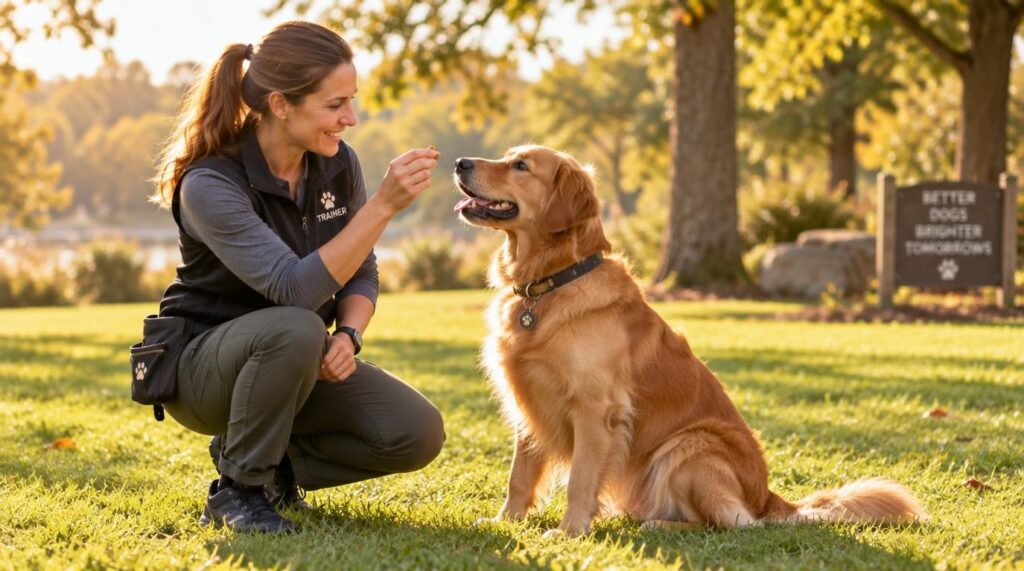
How to Choose a Dog Trainer: Complete Guide 2026
Choosing the right dog trainer can transform your dog’s behavior and strengthen your bond — but with so many options, knowing what to look for is essential. The best dog trainers combine proven methods, proper certifications, and genuine compassion, helping your dog learn in a safe and positive environment. This guide covers everything you need to know to find a qualified trainer near you in 2026.
This guide is for informational purposes. Always contact providers directly for current pricing and availability.
What Certifications to Look For in a Dog Trainer
Not all dog trainers hold the same qualifications — and in most US states, anyone can call themselves a dog trainer without any formal training. Knowing which certifications matter helps you separate qualified professionals from well-meaning amateurs.
Top Industry Certifications
- CPDT-KA (Certified Professional Dog Trainer — Knowledge Assessed): Issued by the CCPDT, this is the gold standard in professional dog training. Candidates must pass a 250-question exam and complete 300+ hours of hands-on training experience.
- CDBC (Certified Dog Behavior Consultant): Awarded by the IAABC, this certification focuses on complex behavior issues like aggression, anxiety, and phobias.
- KPA CTP (Karen Pryor Academy Certified Training Partner): Emphasizes force-free, science-based clicker training methods.
- AKC CGC Evaluator: Certified to evaluate dogs for the American Kennel Club’s Canine Good Citizen program — great for basic obedience and socialization.
- APDT Member: Association of Professional Dog Trainers membership indicates commitment to continuing education and ethical standards.
When evaluating a potential trainer, ask to see their credentials and verify them online. The HeiBob dog training directory features vetted professionals across major US cities.
Trainer Certification Comparison
| Certification | Issuing Body | Focus | Exam Required |
|---|---|---|---|
| CPDT-KA | CCPDT | General training | Yes |
| CDBC | IAABC | Behavior issues | Yes |
| KPA CTP | Karen Pryor Academy | Force-free/clicker | Yes |
| AKC CGC Evaluator | AKC | Canine Good Citizen | Yes |
| APDT Member | APDT | Ethical standards | No (membership) |
Source: CCPDT, IAABC, Karen Pryor Academy, AKC (2025)
Understanding Dog Training Methods
Dog training philosophies vary widely — and your choice of method will shape your dog’s experience and long-term behavior. Here’s a breakdown of the most common approaches in 2026.
Positive Reinforcement (R+)
The most scientifically supported approach. Dogs are rewarded for correct behavior with treats, praise, or play. Backed by extensive animal behavior research, positive reinforcement builds trust and enthusiasm without fear. Most certified trainers today use this as their primary method.
Balanced Training
Uses both positive reinforcement and corrections (e.g., leash corrections, verbal cues, e-collars at low stimulation). Proponents argue it mimics natural pack communication and is effective for high-drive working dogs. This approach can be appropriate in professional hands, but requires a skilled trainer to avoid creating fear or anxiety.
Alpha/Dominance Theory
Based on outdated research suggesting dogs need humans to assert “alpha” status. Modern behavioral science has largely debunked this approach. Trainers relying heavily on dominance theory and physical punishment are generally considered outdated and potentially harmful to your dog’s wellbeing.
Clicker Training
A form of positive reinforcement using a small clicking device to mark the exact moment of correct behavior. Highly precise and effective for teaching complex commands and trick training.
Looking for trainers in your city? Browse dog training services in Austin or Tampa trainers on HeiBob’s directory.
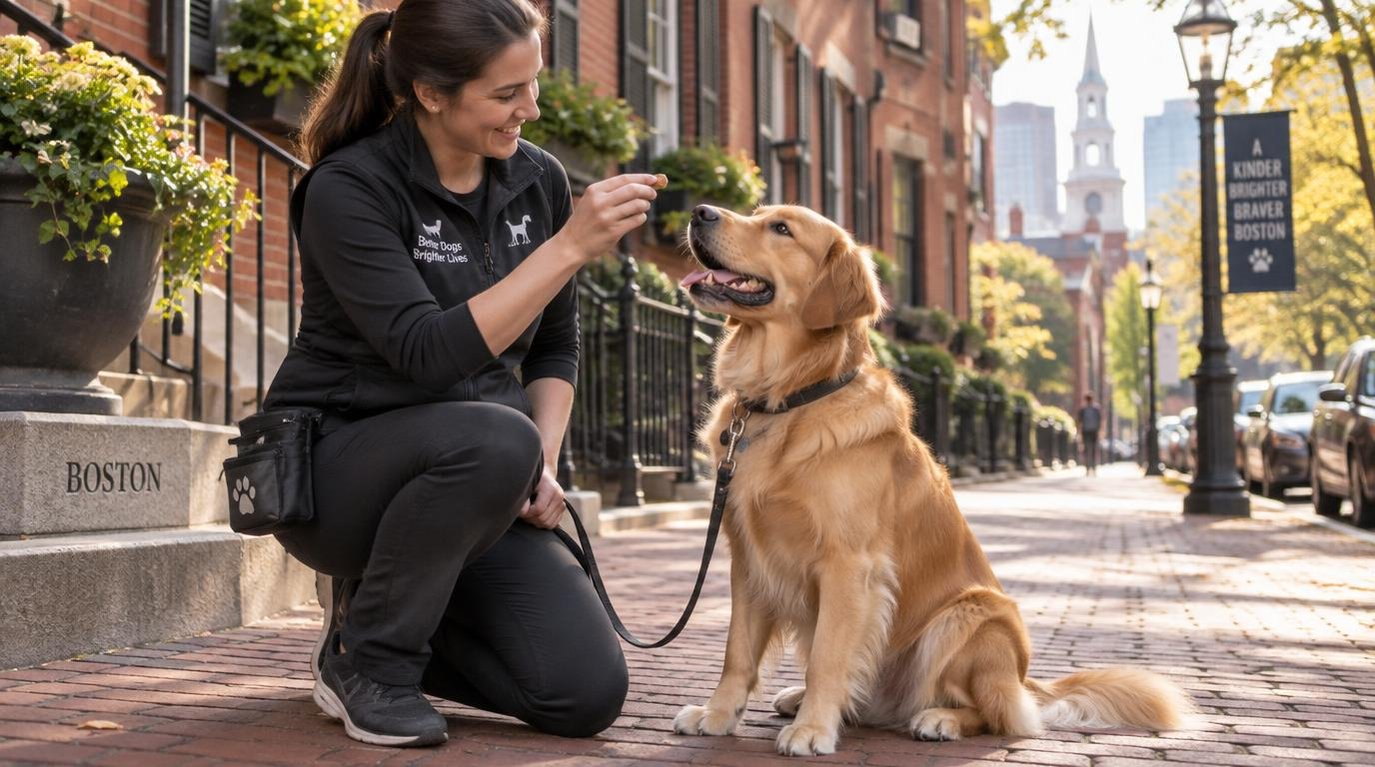
Questions to Ask Before Hiring a Dog Trainer
Before committing to a trainer, schedule a consultation — many offer free or low-cost first meetings. Bring a list of questions to evaluate their approach and experience.
Essential Questions to Ask
- “What certifications do you hold?” — Look for CPDT-KA, CDBC, or KPA CTP credentials
- “What training methods do you use?” — A good trainer should clearly explain their philosophy
- “How do you handle setbacks or unwanted behavior?” — Avoid trainers who jump to punishment
- “Can I observe a session before committing?” — Reputable trainers welcome observation
- “What’s your experience with my dog’s breed and specific issues?” — Breed-specific knowledge matters
- “Do you offer any guarantees or follow-up support?” — Quality trainers often provide continued access between sessions
- “What will I need to do between sessions?” — Training is a partnership; expect homework
- “Do you have references or reviews I can check?” — Online reviews and testimonials matter
Trust your instincts. If a trainer dismisses your questions, uses fear-based language, or rushes you into a package, those are warning signs.
Cost of Dog Training in 2026: What to Expect
Dog training costs vary significantly depending on location, format, trainer experience, and the type of issues being addressed. Here’s what the typical US market looks like in 2026.
| Training Format | Average Cost | Duration | Best For |
|---|---|---|---|
| Group Obedience Class | $50-$125/session | 4-8 weeks | Basic obedience, socialization |
| Private In-Home Session | $75-$200/hour | 1 hour | Specific issues, focused work |
| Board and Train | $1,000-$3,500 | 2-4 weeks | Intensive behavior rehab |
| Online/Virtual Training | $30-$100/session | 45-60 min | Basic commands, convenience |
| Training Package (5-10 sessions) | $400-$1,200 | Ongoing | Best value for comprehensive training |
Source: APDT market survey, Rover trainer data, HeiBob directory analysis (September 2026). Prices vary by region.
Cost tip: Board-and-train programs seem appealing, but research shows owner involvement in training leads to better long-term results. Consider private sessions that include you in the process, even if they cost more per session.
Explore dog training services near you on HeiBob to compare local trainers and their pricing.
Red Flags to Avoid When Choosing a Dog Trainer
Not every trainer is a good fit — and some can genuinely harm your dog’s behavior and trust. Watch out for these warning signs during your search.
- No certifications or vague credentials — “I’ve trained dogs my whole life” isn’t a qualification
- Promises guaranteed results — No ethical trainer can guarantee specific outcomes
- Refuses to let you observe sessions — Transparency is essential; secret methods are a red flag
- Uses choke chains or e-collars as a first resort — These tools require expert handling and should not be the default starting point
- Uses alpha-rolls or physical dominance — Outdated, potentially dangerous techniques
- Dismisses your concerns — A good trainer respects and collaborates with owners
- Pressures you into expensive long-term packages upfront — Ethical trainers let results speak for themselves
- Can’t explain their methodology clearly — If they can’t explain it simply, they may not fully understand it
The best dog trainers make you feel like a valued partner, explain their reasoning clearly, and never use fear or intimidation as tools.
How to Find a Dog Trainer Near You
Finding a qualified local dog trainer in 2026 is easier than ever, but knowing where to look matters. Here are the best ways to find reputable trainers in your area.
- HeiBob Directory: Browse verified dog trainers by city and specialty — with reviews, contact info, and service details
- CCPDT Trainer Search: Find CPDT-KA certified trainers at ccpdt.org (search by zip code)
- IAABC Find a Consultant: For complex behavior issues, find CDBC-certified consultants at iaabc.org
- Your veterinarian: Vets often have trusted trainer referrals and can recommend someone suited to your dog’s health needs
- Local breed clubs: Breed-specific clubs often maintain lists of trainers experienced with their particular breed
- Humane societies: Many local shelters run training classes or can refer you to quality trainers
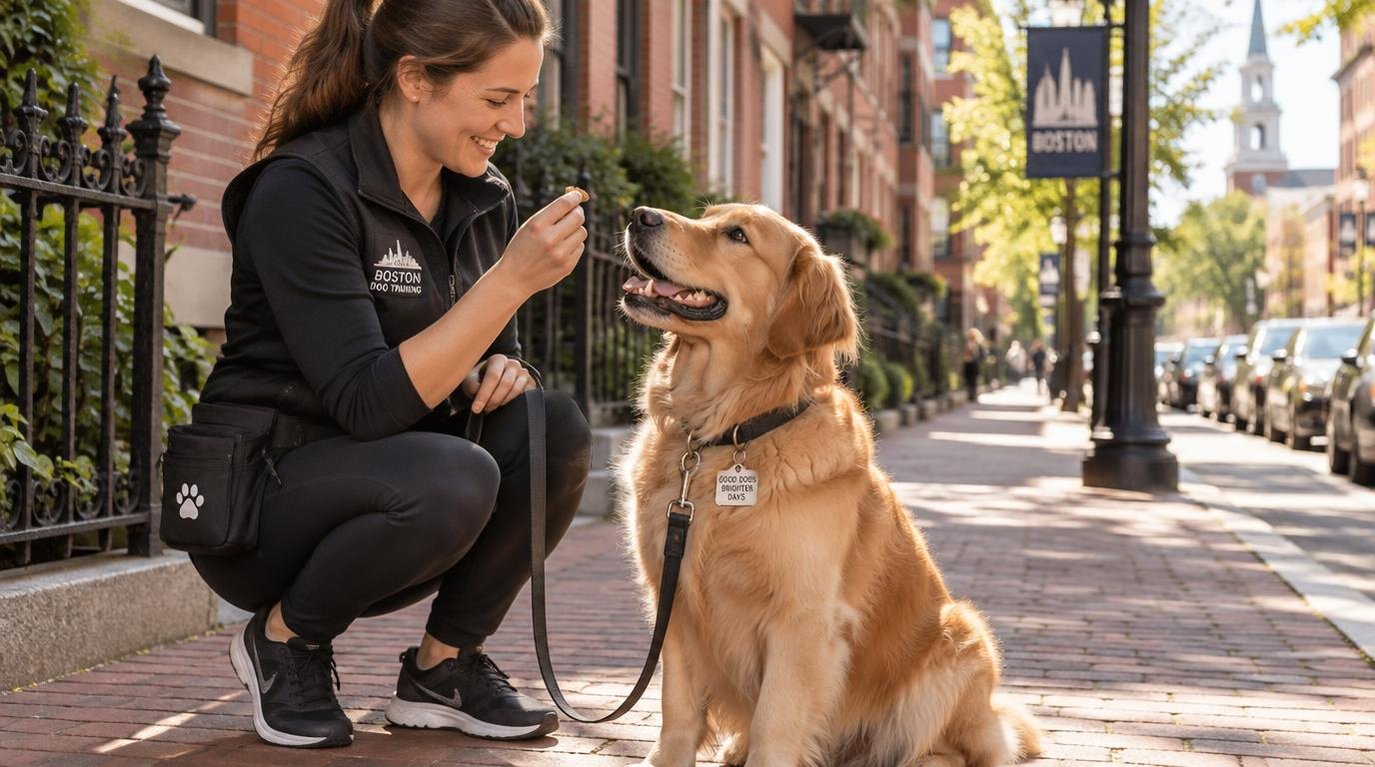
Cities with strong dog training communities include Austin, TX, Boston, MA, Tampa, FL, Denver, CO, and Philadelphia, PA — all well-represented on the HeiBob dog training directory.
Frequently Asked Questions About Choosing a Dog Trainer
How do I choose a good dog trainer?
How much does a dog trainer cost in 2026?
What certifications should a dog trainer have?
What is the best dog training method?
How many training sessions does a dog need?
Is it better to train my dog myself or hire a professional?
What should I expect at my dog’s first training session?
More Pet Care Guides
Best Dog Boarding in Chattanooga, TN (2026)
Top kennels, prices, and what to expect from Chattanooga’s best boarding facilities.
Best Dog Training in Boston, MA (2026)
Top trainers, classes, and prices in Boston for every breed and training goal.
Best Dog Groomers in Durham, NC (2026)
Top picks, prices, and reviews for Durham’s best professional dog grooming salons.
Ready to find the perfect dog trainer? Browse qualified, reviewed dog training professionals near you on HeiBob — compare methods, read real reviews, and get in touch with the right trainer for your dog’s needs today.