
Pet Boarding vs Pet Sitting: Which Is Better for Your Dog or Cat? (2026 Guide)
Pet boarding and pet sitting are the two most popular ways to care for your dog or cat while you travel — but which is right for your pet? Pet boarding means your pet stays at a professional facility with supervised care around the clock, while pet sitting means a carer comes to your home (or your pet stays at theirs). Neither is universally better — it depends entirely on your pet’s temperament, routine, and needs.
This guide is for informational purposes. Always contact providers directly for current pricing and availability.

What Is Pet Boarding?
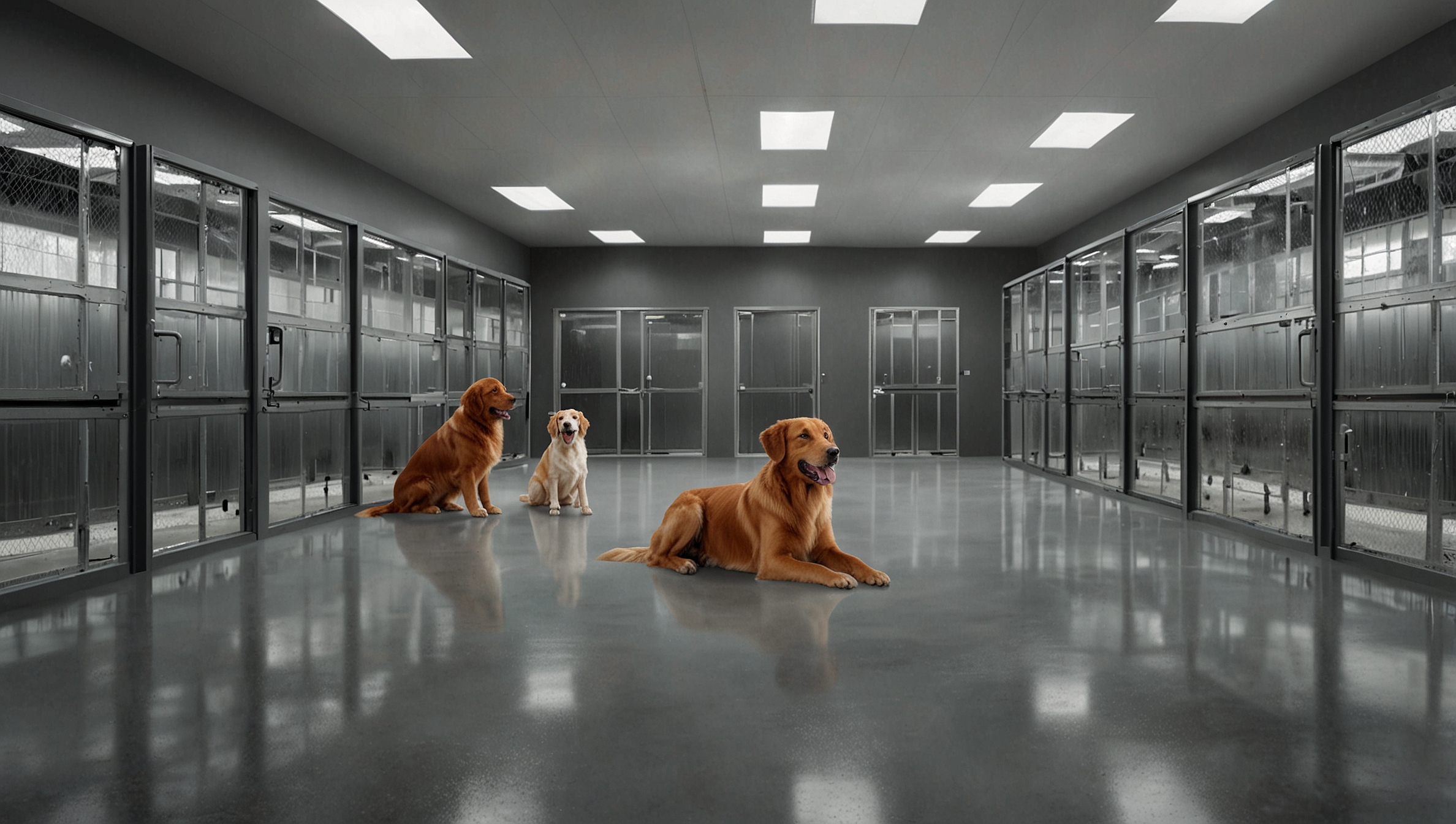
Pet boarding is a service where your dog or cat stays at a dedicated care facility — a kennel, pet hotel, or resort — for the duration of your trip. Professional staff feed, exercise, and monitor your pet on a set schedule throughout the day and night.
Modern boarding facilities range from basic kennels with individual runs to luxury “pet hotels” with private suites, webcams, play groups, and spa treatments. Most require proof of current vaccinations before check-in.
- Best for: Social dogs, pets who thrive with structure, multi-pet households traveling together
- Typical stay: Overnight to several weeks
- Staff ratio: Varies — larger facilities may have 1 staff member per 10–15 dogs
- Vaccination requirements: Usually required (rabies, bordetella, DHPP)
What Is Pet Sitting?
Pet sitting means a trusted carer looks after your pet — either by coming to your home for drop-in visits, or by having your pet stay at the sitter’s home. In-home pet sitting preserves your pet’s normal routine: same bed, same food bowl, same smells.
Pet sitters can be found through platforms like Rover, Wag, or local independent sitters. Always verify reviews, insurance, and pet first-aid certification before booking.
- Best for: Anxious dogs, senior pets, cats, multi-pet homes, pets with medical needs
- Typical arrangement: Drop-in visits 1–3x daily, or overnight/full-time in-home stay
- One-on-one attention: High — especially with in-home overnight sitters
- Vaccine requirements: Varies by sitter; most require up-to-date vaccines

Cost Comparison: Boarding vs Pet Sitting (2026)
Pricing varies by location, pet size, and service level. Here’s a breakdown of typical US costs as of June 2026:
| Service Type | Price Range (Per Night/Visit) | Average Cost | Best For |
|---|---|---|---|
| Standard Kennel Boarding | $30–$65/night | $40/night | Social, adaptable dogs |
| Luxury Pet Hotel | $75–$125+/night | $90/night | Pampered pets, extended stays |
| Cat Boarding | $20–$55/night | $30/night | Cats needing 24/7 oversight |
| Drop-In Pet Sitting (30 min) | $20–$35/visit | $28/visit | Cats, short-trip dogs |
| In-Home Overnight Sitting | $75–$150/night | $95/night | Anxious dogs, senior pets |
| Sitter’s Home Stay (dog) | $35–$80/night | $50/night | Dogs needing home environment |
Sources: HomeGuide.com, Thumbtack, Rover national averages (June 2026). Prices vary by metro area — major cities typically run 20–30% higher.
Multi-pet tip: For households with 2+ pets, in-home sitting often works out cheaper than boarding multiple animals separately. A sitter staying overnight at your home typically adds only $5–$15 per additional pet vs. paying full boarding rates for each.
Pros & Cons: Boarding vs Pet Sitting Side-by-Side
| Factor | 🏨 Pet Boarding | 🏠 Pet Sitting |
|---|---|---|
| Environment | New facility, other animals present | Familiar home, less stress |
| Supervision | Staff on-site 24/7 (most facilities) | Drop-ins: pet alone 18–22hrs/day |
| Social interaction | High — group play available | Variable — depends on sitter schedule |
| Illness risk | Higher — exposure to other animals | Lower — isolated environment |
| Routine consistency | Facility sets schedule | Can match your pet’s exact routine |
| Emergency response | Staff trained, vets often on-call | Sitter must handle alone |
| Separation anxiety | Can worsen in unfamiliar setting | Better — familiar smells and space |
| Cost (single dog, 5 nights) | ~$150–$325 | ~$140–$475 (overnight) |
| Home security | House unoccupied | Occupied — deters burglars |
| Best for cats | If needs medical monitoring | Almost always preferred for cats |
Which Is Right for Your Pet?
Use this quick decision guide to figure out which option suits your specific pet:
- Is social and enjoys the company of other dogs
- Has boarded successfully before without stress
- Has a medical condition requiring round-the-clock monitoring
- Is a puppy who benefits from structured activity and socialisation
- You’re travelling for more than 2 weeks (sitters harder to secure)
- Has separation anxiety or is easily stressed by new environments
- Is a cat (cats almost universally prefer home)
- Is elderly or has mobility issues that suit familiar surroundings
- Is reactive to other dogs or animals
- You have multiple pets (cost-effective with one sitter)
- Has never been boarded before and the trip is short
Browse pet boarding facilities near you or find a trusted local dog walker and sitter on HeiBob to compare options in your area.
How to Choose a Quality Provider
Whether you go with boarding or sitting, the provider’s quality matters more than the format. Here’s what to look for:
For Boarding Facilities
- Accreditation: Look for IBPSA (International Boarding & Pet Services Association) membership or equivalent
- Staff-to-dog ratio: Ask directly — good facilities aim for 1:10 or better
- Tour first: Always visit before booking; facilities should welcome unannounced visits
- Vaccination policy: Strict vaccine requirements protect all pets — it’s a green flag
- Emergency plan: Confirm they have a vet relationship and on-call protocol
For Pet Sitters
- References & reviews: Read at least 5 recent reviews; look for mentions of handling emergencies
- Insurance: Professional sitters should carry pet-sitting liability insurance
- Trial run: Book a short drop-in before your trip to see how your pet responds
- Vet authorisation form: Give your sitter written permission to seek emergency vet care
- Backup plan: Confirm they have a backup sitter if they get sick
Find vetted pet boarding and sitting services on HeiBob’s pet boarding directory — with real reviews from local pet owners.
Frequently Asked Questions About Pet Boarding vs Pet Sitting
Is pet boarding or pet sitting better for dogs with separation anxiety?
Is pet boarding safe for cats?
How much does pet boarding cost compared to pet sitting?
What questions should I ask a boarding facility before booking?
Can I use pet sitting for a 2-week vacation?
Is boarding or pet sitting better for puppies?
📖 More Pet Care Guides
Best Veterinary Clinics in Phoenix, AZ (2026): Top Vets, Costs & What to Expect
Find the best veterinary clinics in Phoenix, AZ. Compare top-rated animal hospitals, specialty vets,…
Best Dog Groomers in Tampa, FL (2026): Top Salons, Mobile Services & Prices
Find the best dog groomers in Tampa, FL. Compare top-rated salons, mobile services, and prices rangi…
Best Pet Shops in Houston, TX (2026): Top Local Stores, Prices & What to Expect
Best Pet Shops in Houston, TX (2026): Top Local Stores, Prices & What to Expect Houston’s …
Find Trusted Pet Care Near You
Whether you choose boarding or sitting, HeiBob helps you find vetted, reviewed pet care providers in your city.
Browse Pet Boarding Find a Pet Sitter



Leave a Reply
You must be logged in to post a comment.